How Bilbo Baggins Became Richer Than You Think

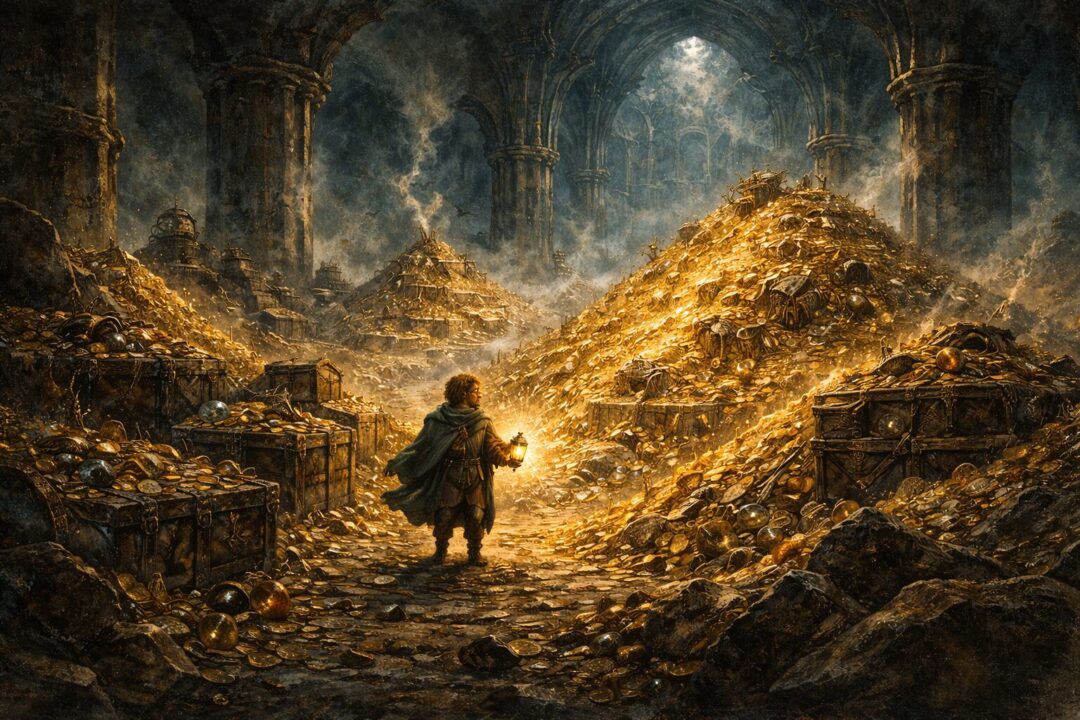
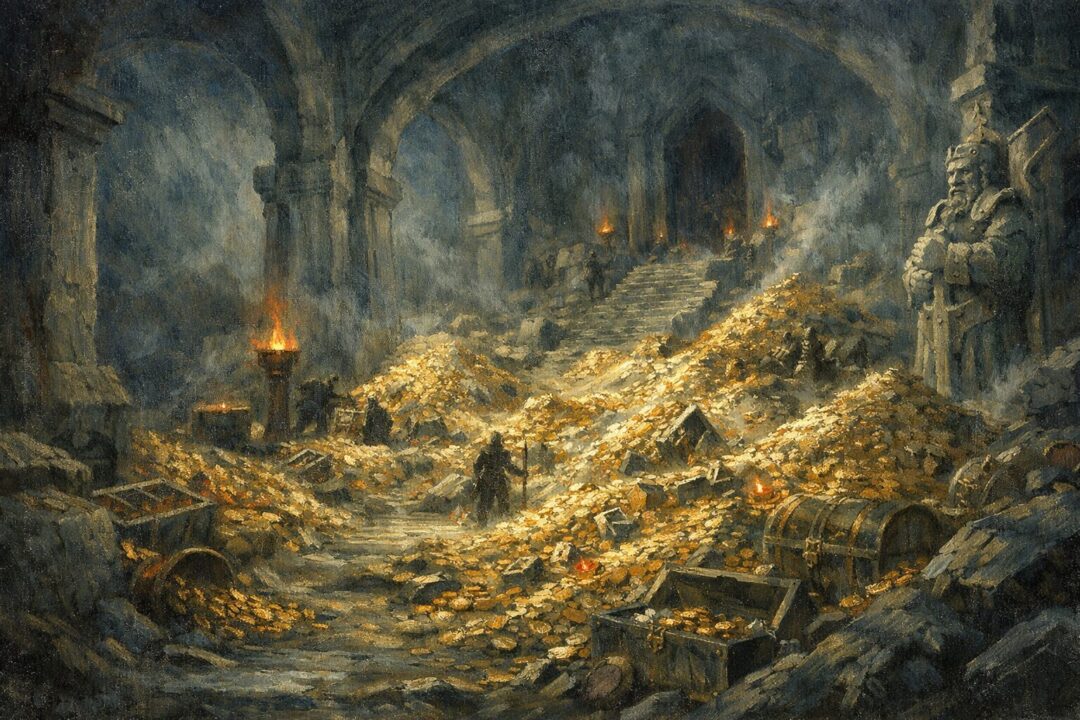
Erebor dragon hoard Bilbo share

When people talk about wealth in Middle-earth, they almost always look upward—toward crowns, thrones, and ancient halls of stone. The riches of kings, the deep vaults of dwarves, and the timeless abundance of elven realms dominate the conversation. Hobbits rarely appear in these discussions at all, and when they do, it is usually to emphasize … Read more

The Quiet Heroism of Middle-earth: How Courage Is Remembered Without Glory

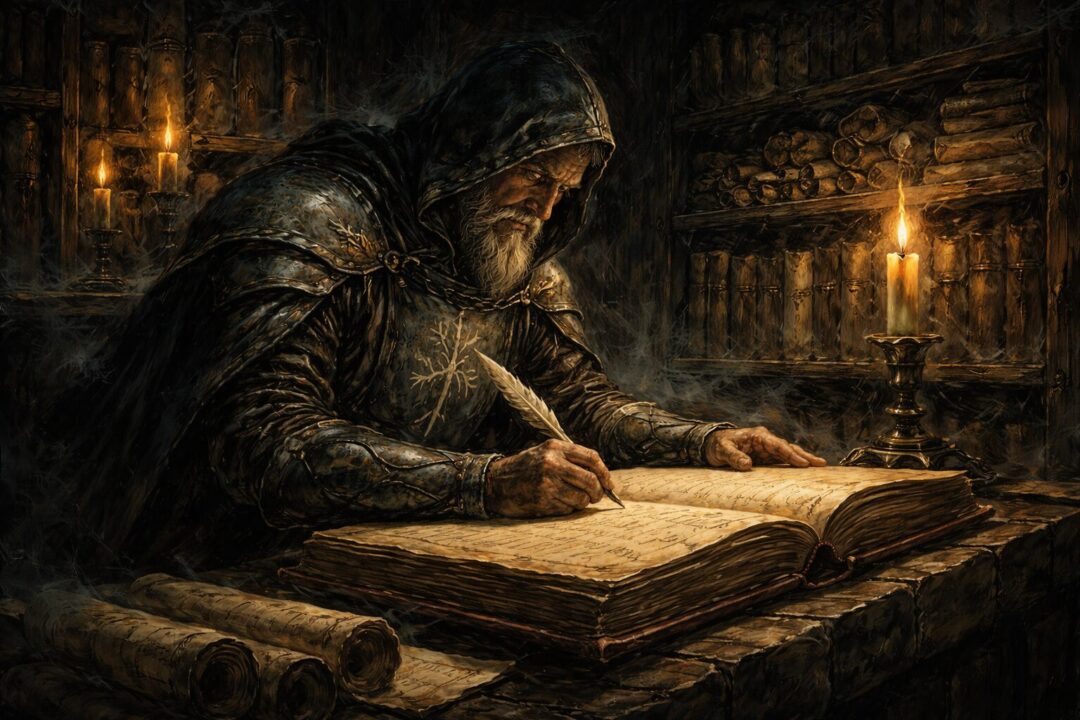
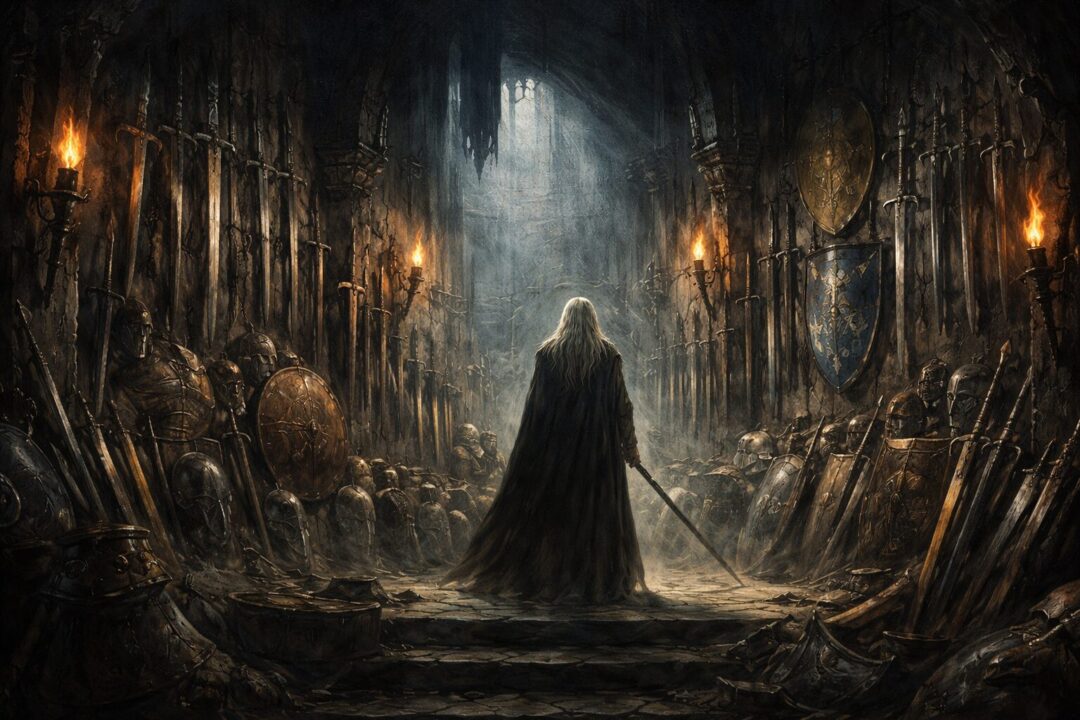
Gondor archives

Middle-earth does not celebrate heroism the way modern stories often do. There are no sudden promotions, no medals pinned on bloodstained cloaks while crowds cheer, no instant elevation from anonymity to legend. Instead, its world is shaped by something far older and more restrained: remembrance. In the histories of the West, heroism is rarely loud. … Read more

How New Year Was Celebrated in Middle-earth

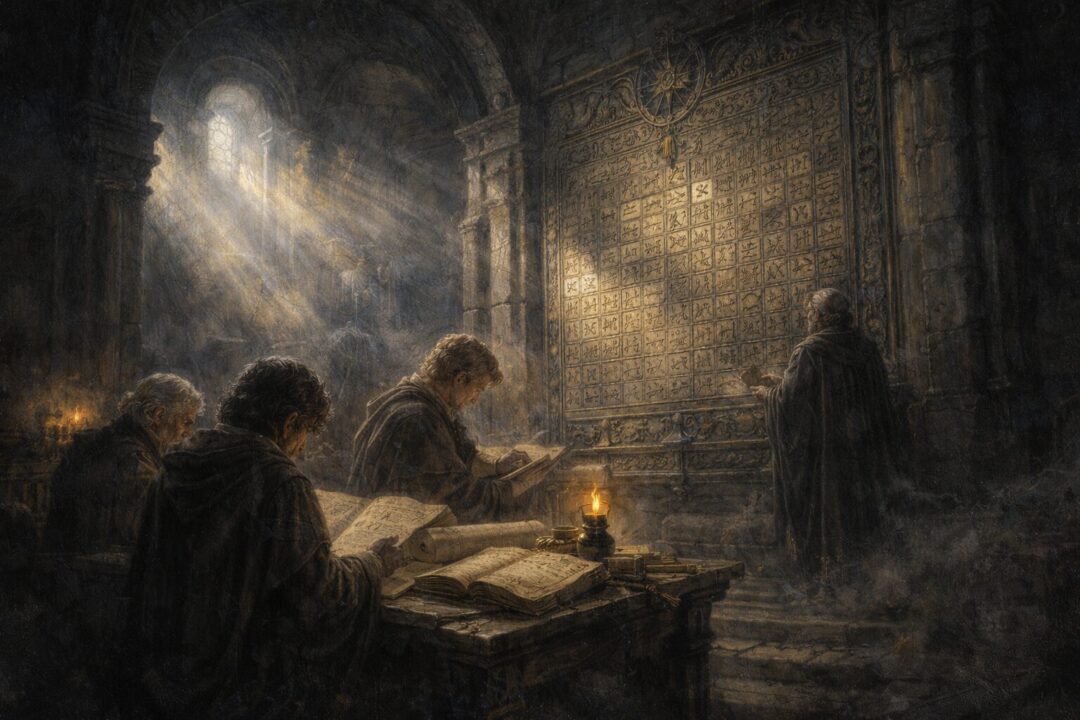
Gondor Kings reckoning calendar

(And Why It Wasn’t a Celebration at All) When people think about festivals in Middle-earth, their minds usually go to Bilbo Baggins’ long-expected party, the great feasts of Rohan, or quiet evenings of song and story in Rivendell. These moments feel warm, communal, and distinctly alive. New Year, by contrast, almost never comes up. And when … Read more

Why Don’t We See More Blended Peoples in Middle-earth?

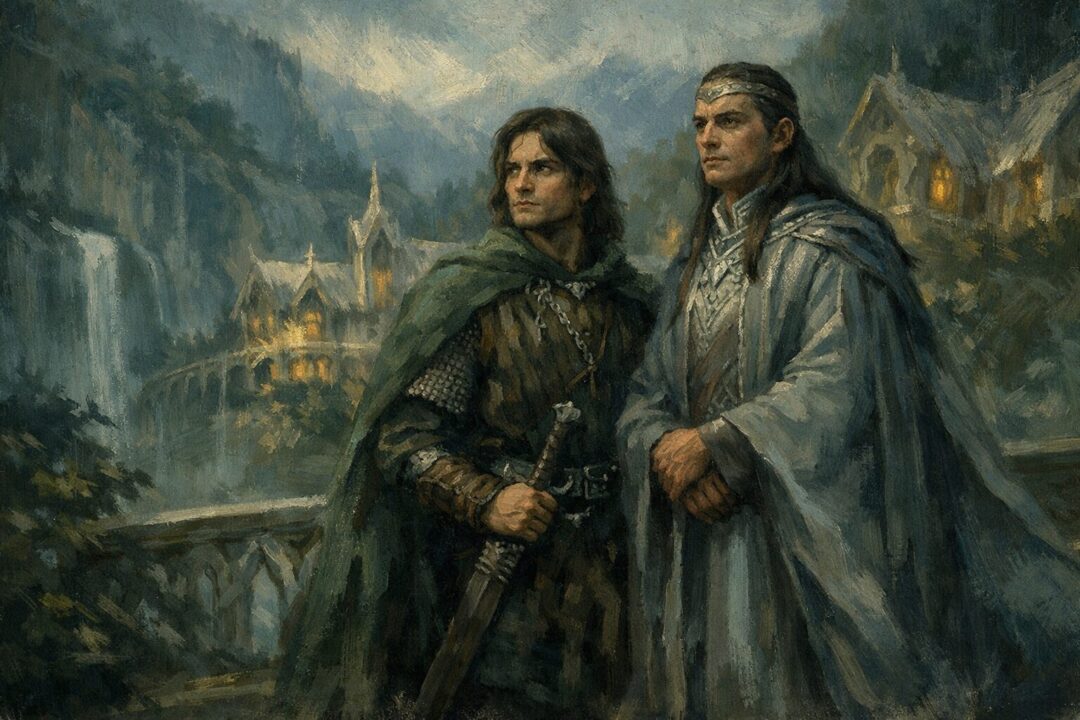
Aragorn and Elrond of Rivendell

At first glance, Middle-earth appears rigidly divided. Elves are Elves. Men are Men. Dwarves dwell in stone halls, Hobbits remain tucked into the Shire, and each people seems to walk its own ancient road. Borders—cultural, geographic, and symbolic—feel firm and unchanging, as if laid down at the world’s beginning. This surface impression is not accidental. … Read more