Why one fourteenth of profit was harder to calculate than Thorin’s contract suggests

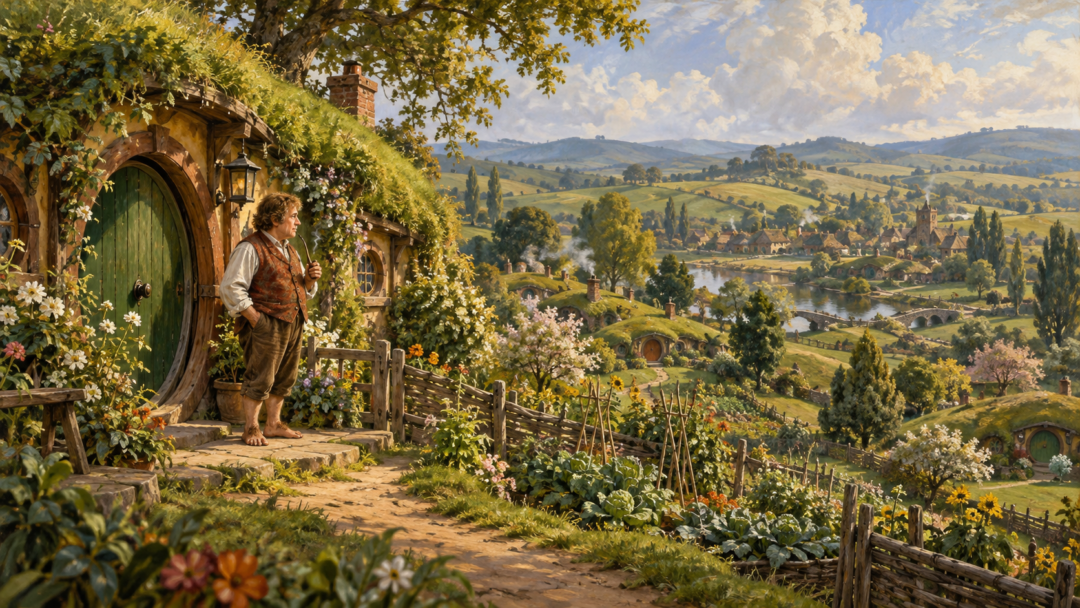
Bilbo Baggins reading Thorin and Company's businesslike agreement beside the mantelpiece at Bag End.

Bilbo Baggins begins his adventure with something wonderfully ordinary for a story involving trolls, goblins, giant spiders, and a dragon: a business arrangement. The note left for him at Bag End promises payment “up to and not exceeding one fourteenth of total profits (if any),” alongside travelling expenses and, rather ominously, funeral expenses if necessary. … Read more

How bride-price, dowry, and treasure differ in Beren and Luthien’s story

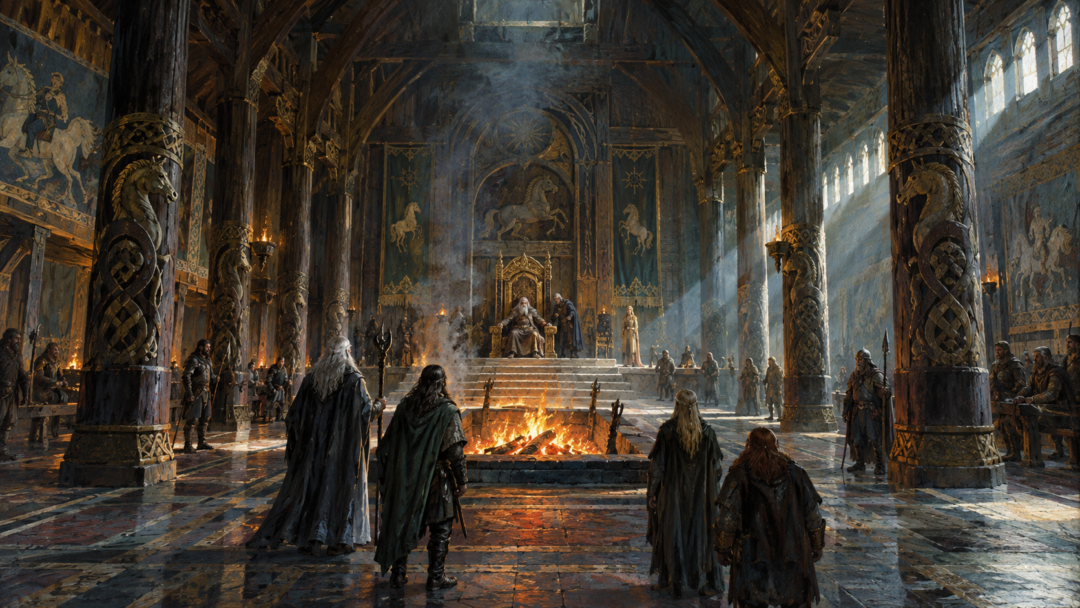
Beren standing before Thingol, Melian, and Lúthien in Menegroth as Thingol demands a Silmaril as Lúthien’s bride-price

When Beren stands before Thingol in Menegroth, the argument seems to become a transaction. Thingol demands a Silmaril from Morgoth’s Iron Crown before he will permit Beren to marry Lúthien. Beren answers with bitter mockery, accusing Elven-kings of selling their daughters for gems and crafted things. It is one of the sharpest exchanges in The … Read more

What the Citadel Livery Changes About Pippin’s Freedom in Minas Tirith

Pippin newly dressed in the black and silver livery of the Guard of the Citadel in Minas Tirith.

When Peregrin Took arrives in Minas Tirith, he is still recognizably the wandering hobbit who left the Shire: curious, impulsive, frequently hungry, and accustomed to travelling among companions rather than living under military discipline. Then Denethor accepts his service. Soon Pippin is wearing black and silver, bearing the emblems of Gondor, learning passwords from a … Read more

How Bilbo’s contract mixes comic narration with binding economic stakes

Bilbo Baggins reading Thorin and Company's letter beside the mantelpiece in Bag End

Bilbo Baggins begins The Hobbit worrying about cakes, handkerchiefs, washing-up, and what thirteen unexpected guests are doing to his pantry. By the following morning, those same visitors have transformed him into something much stranger: a professional burglar with a profit share and provision for his funeral. The document responsible is wonderfully small. In the book, … Read more

The Shire imported goods despite its reputation for isolation

Dwarves bringing a wagon of foreign packages into Hobbiton before Bilbo Baggins's birthday party.

The Shire feels like the last place in Middle-earth that should need imports. Its fields are fertile. Its orchards, mills, farms, inns, breweries, gardens, and kitchens suggest a society capable of supplying most of what hobbits actually care about. The wider world barely enters ordinary conversation except as rumor. Foreigners are treated with suspicion, distant … Read more