The millennial deficit explains Gondor’s rare calendar revisions

Númenórean astronomer observing the heavens while developing the ancient King's Reckoning calendar

Gondor could preserve a tower, a tomb, or a royal tradition for thousands of years. Its calendar was treated with much the same conservatism. That makes one detail in the history of the Dúnedain surprisingly revealing: their calendar occasionally needed extraordinary corrections. Not because Gondor casually redesigned the year, but because a tiny astronomical error … Read more

Why the Mallorn at the Party Field Is a Political Symbol Without Being Planted for Politics

Samwise Gamgee confronting the felled Party Tree in Hobbiton after the Scouring of the Shire.

The most extraordinary tree in the Shire grows where another tree was deliberately destroyed. Before the War of the Ring, the Party Tree at Hobbiton was simply part of ordinary hobbit life. Bilbo Baggins gave his famous farewell speech beneath it during his eleventy-first birthday celebration. When Samwise Gamgee returned home after the destruction of … Read more

How place-names let Khuzdul survive despite deliberate secrecy

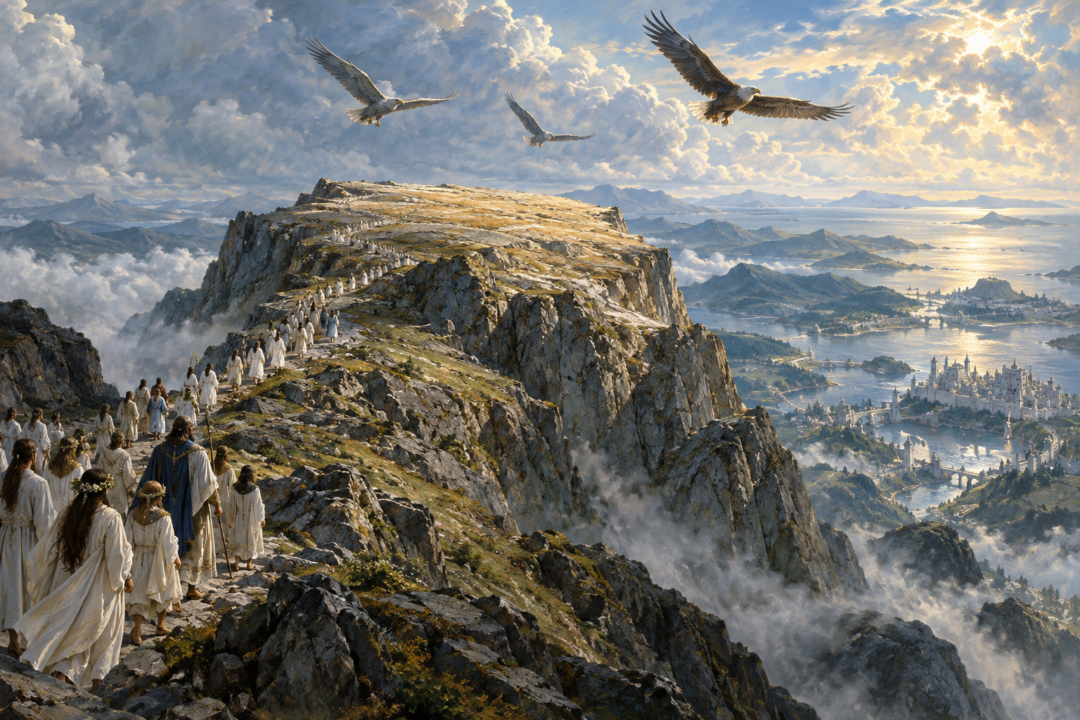
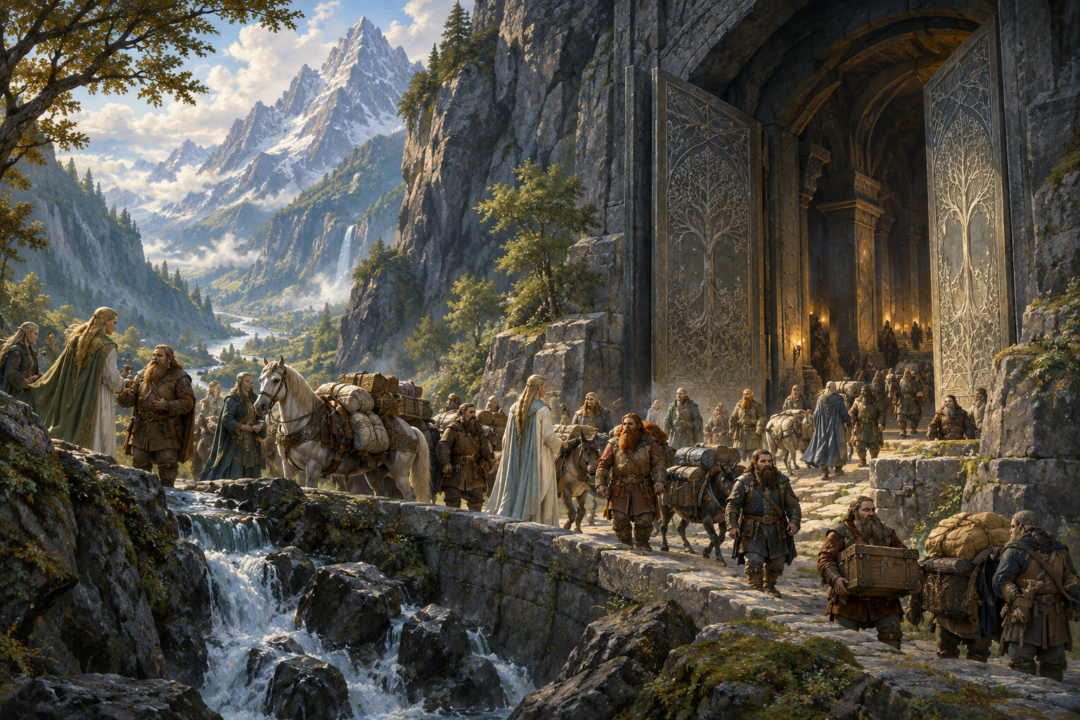
Gimli looking toward the three Dwarven-named mountains above Khazad-dûm, Barazinbar, Zirakzigil, and Bundushathûr

When Gimli looked toward the mountains above Moria, he did not know them only as Caradhras, Celebdil, and Fanuidhol. To him they were Barazinbar, Zirakzigil, and Bundushathûr. That distinction reveals something unusual about the Dwarves. Their own language, Khuzdul, was deliberately guarded from outsiders. Even the true personal names of Dwarves were kept so private … Read more