The Stories Tolkien Allowed Us to Imagine

Gandalf the White returns

One of the most persistent misconceptions about J.R.R. Tolkien’s legendarium is that it is rigid—closed, immutable, and hostile to reinterpretation. Many readers assume that because Tolkien cared so deeply about internal consistency, any story not explicitly written by him must automatically violate his world. In reality, the opposite is true. Tolkien’s world is not governed … Read more

How Sauron Tortured His Servants – Tolkien’s Darkest Truth

Sauron releases Gollum

When readers think of evil in The Lord of the Rings, the mind often goes first to spectacle: vast armies marching beneath black banners, cities burning, towers collapsing, and open war shaking the foundations of Middle-earth. These moments are unforgettable, but they are not where Tolkien places his darkest ideas. For Tolkien, the most terrifying form … Read more

The Rarest Peoples to Walk the Paths of Destiny in Middle-earth

Rarest people of the Middle Earth

Middle-earth is often remembered as a world shaped by the great and the glorious: the immortal Elves, the mighty kingdoms of Men, and the Ainur—those angelic powers who entered Arda at its beginning and guided its fate from beyond the circles of the world. Kings rise and fall, armies clash, and ancient prophecies unfold across … Read more

Why Being One of the Nazgul Was Worse Than Death

Nazgul origins

The Nazgûl, also known as the Ringwraiths, are among the most feared figures in all of Middle-earth. Clad in black, riding in silence, armed with Morgul blades, and bound utterly to the will of the Dark Lord, they seem to embody unstoppable terror. To many readers, they appear as beings of immense power—deathless servants of shadow … Read more

How Did Gandalf’s Voice Break the Bridge of Khazad-dum?

Gandalf authority over Balrog

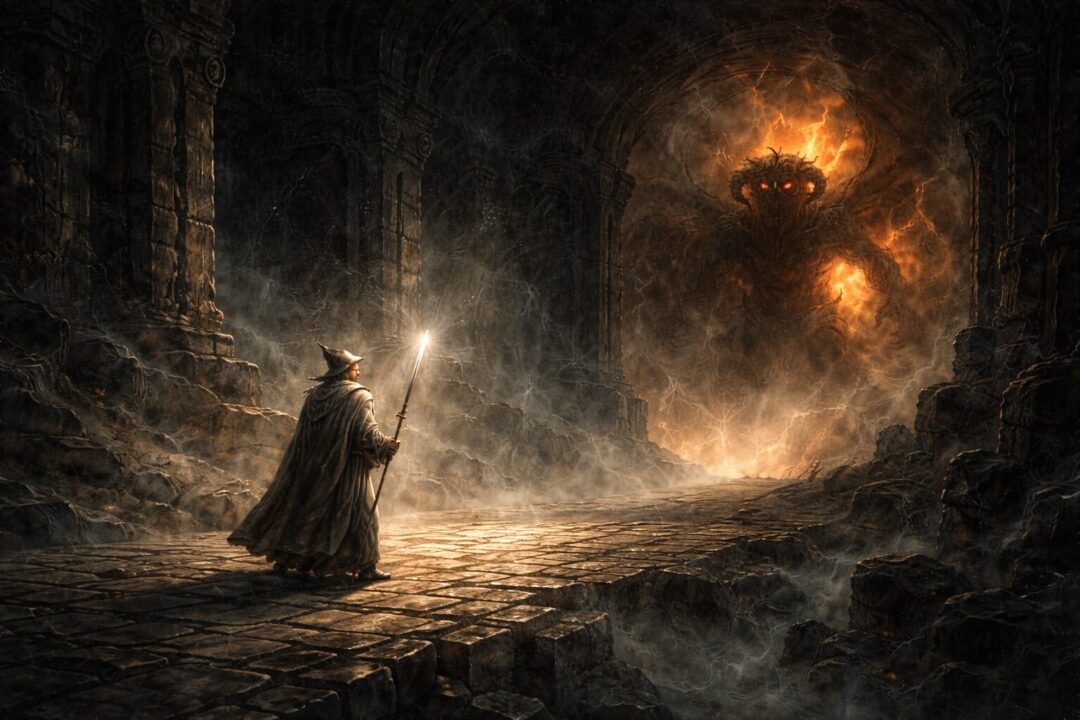
When the Fellowship flees through the endless halls of Moria, the moment everyone remembers is not the drums, not the pursuit, not even the Balrog’s first appearance. It is the bridge. A narrow span of stone, arched over an abyss so deep its bottom is never seen.Fire behind.Darkness ahead.And Gandalf, standing alone. He raises his staff and … Read more

Why Did Gandalf’s Spell Rebound at the Doors of Durin?

Doors of Durin in Moria

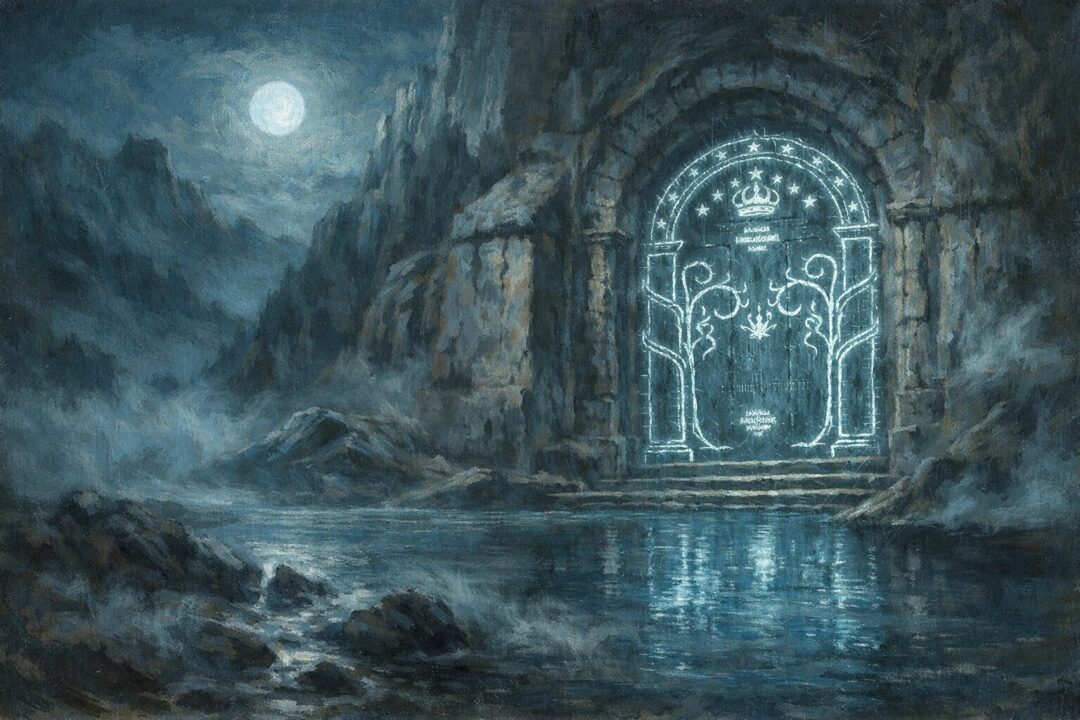
When the Fellowship reaches the West-gate of Moria in The Fellowship of the Ring, Tolkien gives us a moment that feels, at first glance, almost like a magical malfunction. Gandalf—bearer of Narya, servant of the Secret Fire—attempts to seal the Doors of Durin against the Watcher in the Water. Fire flashes. Words of command are spoken. … Read more

Why Did Sauron Allow the Siege of Gondor?

Eye of Sauron

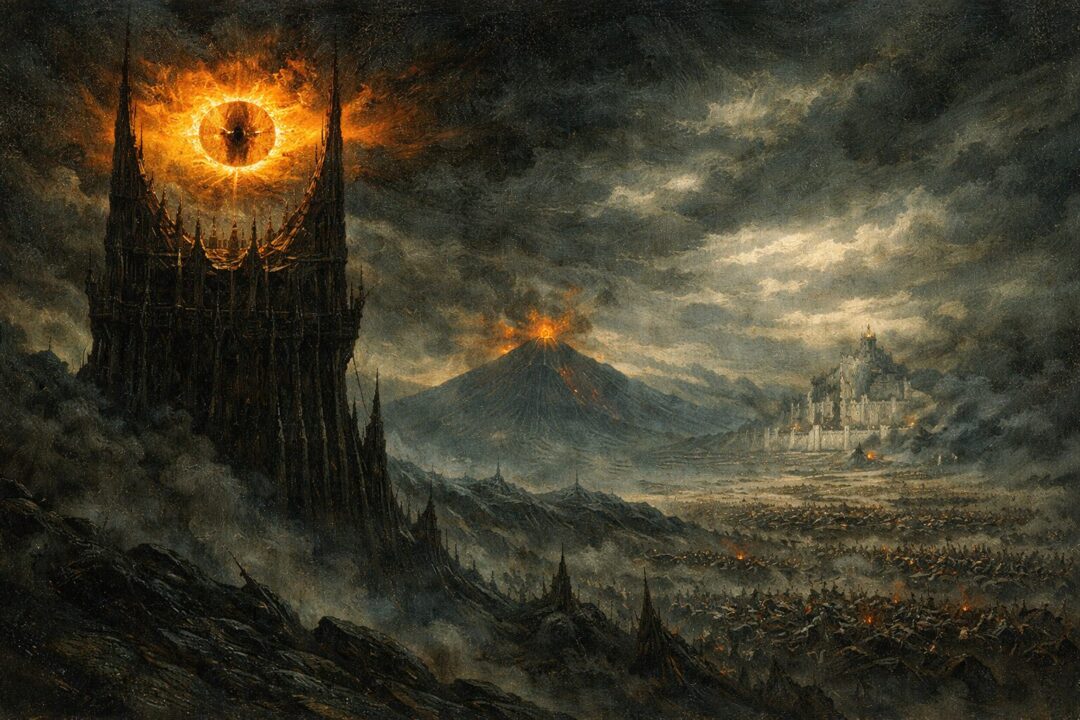
At first glance, the Siege of Gondor appears to be Sauron’s boldest gamble: a direct, overwhelming assault on Minas Tirith, the last great stronghold of the West. It looks like brute force—raw numbers, siege engines, terror, and flame unleashed at the heart of the Free Peoples. But when examined through Tolkien’s wider lore, the siege reveals … Read more

Why Thranduil Closed His Borders While the World Burned

Thranduil closing Mirkwood borders

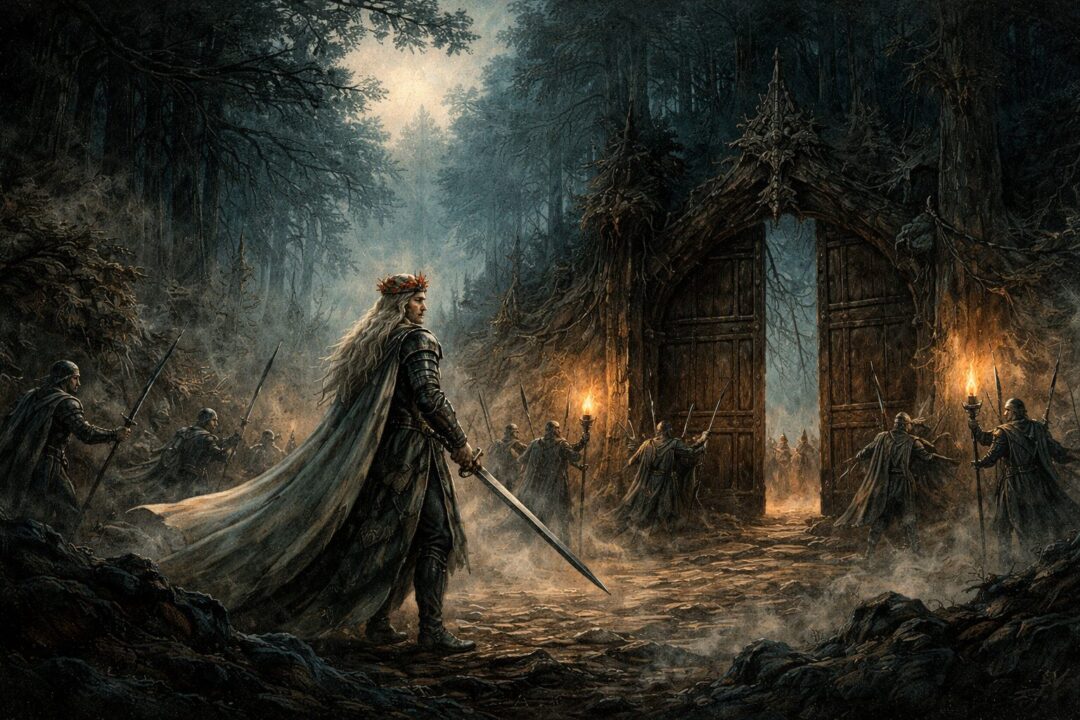
Among Tolkien’s rulers, few are judged as harshly — and as inaccurately — as Thranduil, King of the Woodland Realm. During the War of the Ring, when armies march south and the fate of Middle-earth appears to hinge on great set-piece battles, Thranduil does something that unsettles modern readers: he does not send his host to … Read more

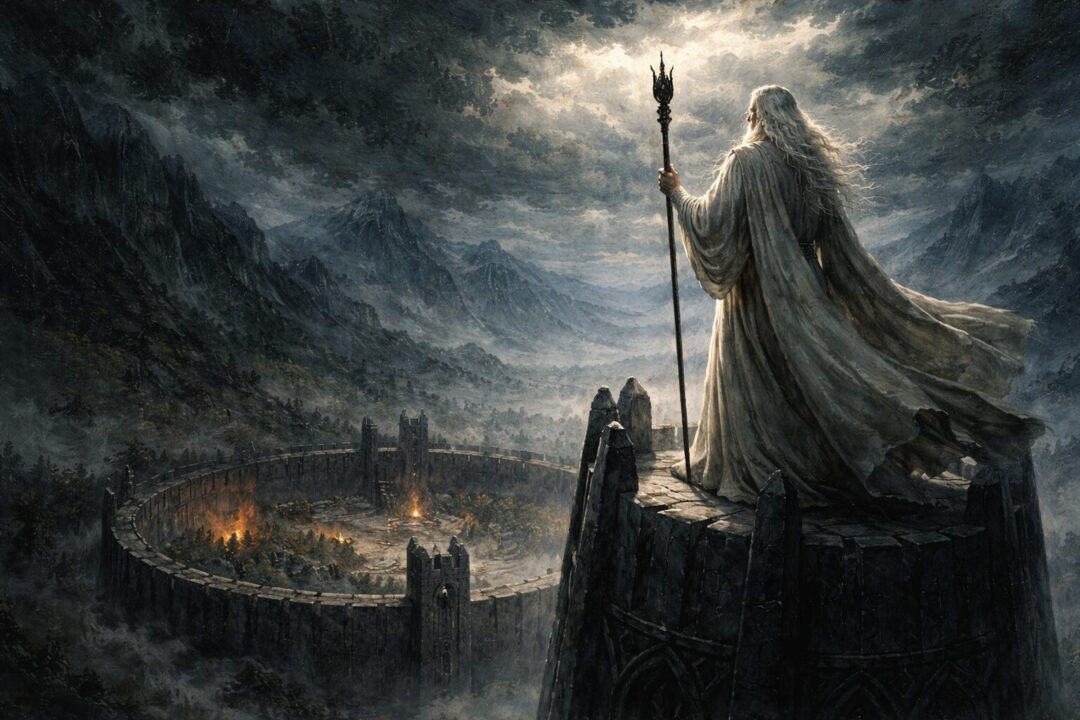
Why Saruman Withdrew from the White Council and Chose Isengard

Saruman Orthanc Isengard

When most readers first encounter Saruman in The Lord of the Rings, his fall is already complete. He rules Isengard as a tyrant, commands great engines of war, and speaks with a voice crafted to dominate the wills of others. His betrayal feels sudden only because Tolkien introduces us at the end of the story, not the beginning. But Tolkien … Read more

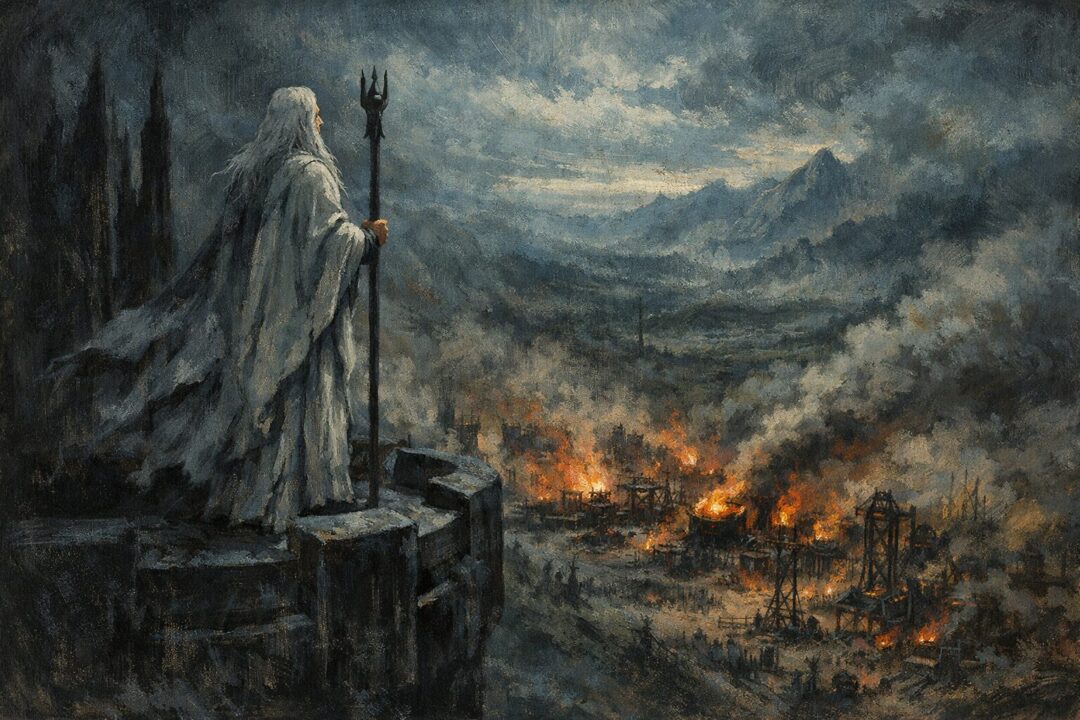
Why Didn’t Saruman Go to Mordor Himself?

Saruman didn't go to Mordor

At first glance, Saruman’s absence from Mordor appears cowardly. If he truly sought power, why not confront Saurondirectly? Why remain sealed within Orthanc while the Dark Lord ruled openly from the East? Tolkien’s answer is far more unsettling—and far more tragic. Saruman did not fear Mordor.He feared submission. To go to Mordor would have required Saruman to define himself … Read more