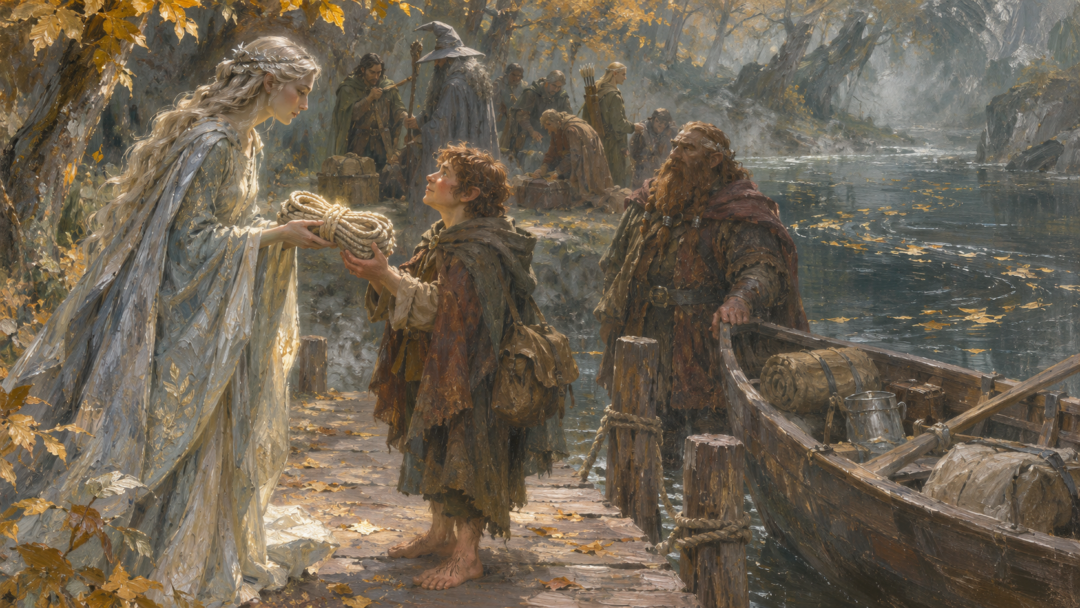
At the borders of Lothlórien, Galadriel sends the Fellowship back into danger bearing gifts. In the extended Fellowship of the Ring, the farewell receives more room: even Sam's Elven rope and Gimli's unusual request have their moments. Such exchanges give Middle-earth's inhabitants lives beyond the central quest. It is easy to see why viewers treasure footage like this.
So are Peter Jackson's extended editions actually better? For revisiting Middle-earth, often yes; for experiencing the films as tightly shaped adventures, not necessarily. The longer cuts enrich relationships, repair some abrupt transitions and reward attention to detail. The theatrical releases preserve urgency and sometimes make stronger dramatic choices by leaving things unseen. The balance also changes from film to film, which is why a single verdict on the whole trilogy misses the most interesting part of the debate.
What Peter Jackson actually said about the two versions
The director's own position is more nuanced than the assumption that longer means definitive. In an interview with Ain't It Cool News, Jackson identified the theatrical versions as the films he considered best suited to cinemas. He did not describe the longer versions as mistakes. Rather, they were another way to present scenes that had been left out when the theatrical films were assembled, particularly for viewers who wanted to spend longer in that world.
Jackson explained that the team had not set out during filming to make separate extended editions. The idea took shape in editing, as worthwhile scenes piled up beyond the theatrical films' limits. Restoring them meant giving up some pace and momentum. At home, however, an audience could pause, take a break or watch over several evenings. The medium changed the demands placed on the edit, as well as the runtime.
Jackson also raised an impossible-to-test question: would people have embraced the longer versions quite so readily if those had been their first encounters in cinemas? Revisiting a story at home is different from watching it unfold on opening night. His comments are a useful warning against calling either cut the one true film. The versions serve overlapping but distinct purposes, and the individual scenes reveal where those purposes diverge.
The Fellowship of the Ring: the pleasure of staying in the Shire
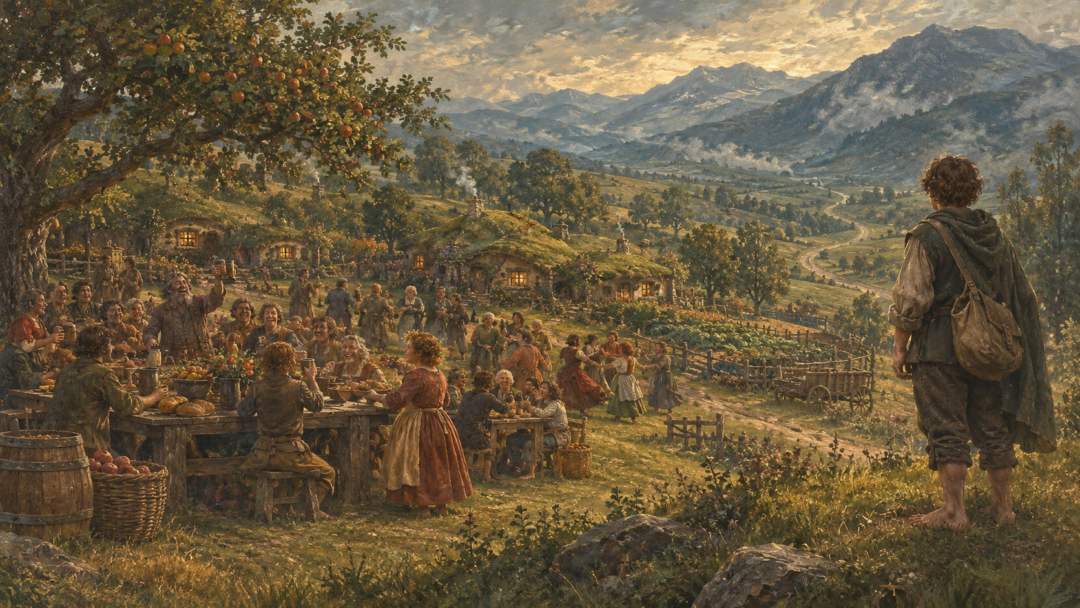
The Fellowship of the Ring may make the most immediately persuasive case for extra breathing space. Its extended opening spends longer among Hobbits, giving the Shire more texture before the Black Riders turn its lanes and hedgerows into places of fear. The more convincing an ordinary Hobbit life becomes, the more tangible the loss facing Frodo feels when he leaves it behind. Home becomes worth remembering.
The expanded departure from Lothlórien offers a different kind of benefit. Galadriel's gifts receive fuller attention, explaining details that can otherwise seem abrupt. Sam's rope has a practical use later; Gimli's request for strands of Galadriel's hair reveals a tenderness rarely visible beneath his gruffness. The gifts also reinforce an idea woven throughout the story: help arrives not only through weapons and armies but through generosity freely offered.
In a DVD Journal review of The Two Towers, critic Damon Houx praised Fellowship's longer Hobbit-centered beginning and the clarified gifts. The theatrical film moves from refuge toward peril with remarkable confidence, while the extended cut asks us to linger. Its faster approach sustains dread; on a return visit, the extra warmth pays dividends.
The Two Towers: character depth against mounting pressure
The Two Towers has a harder balancing act. It alternates among Frodo and Sam with Gollum, Rohan's war, and Merry and Pippin with Treebeard. The theatrical version shifts between uncertainty and peril without stalling. The extended edition runs 222 minutes against the theatrical cut's 179, a difference of 43 minutes. A 236-minute listing includes an additional fan-club credits sequence; that should not be mistaken for fourteen more minutes of story.
A revealing addition is Faramir's Osgiliath flashback. Boromir celebrates a victory, and their father Denethor makes his preference for the elder son painfully obvious. Family pressure illuminates Faramir's desire to take the Ring to Gondor. It also lets Boromir appear as a loving brother rather than only the man who succumbed to the Ring's temptation. Denethor's later cruelty consequently has a clearer history.
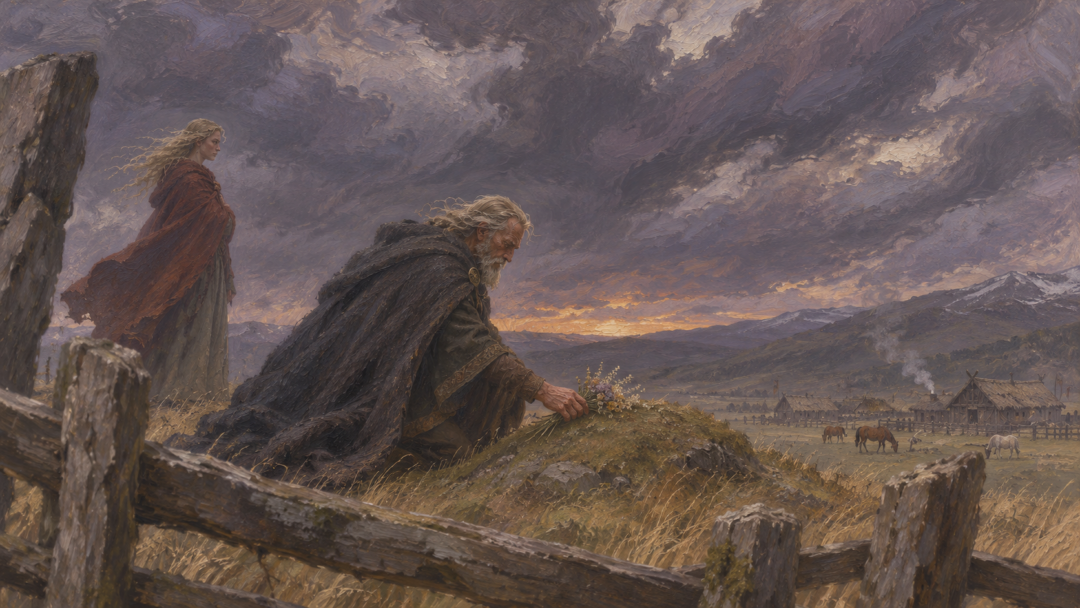
In the novel, Faramir refuses the Ring rather than carrying Frodo and Sam toward Osgiliath as the film depicts. The flashback explains the film's Faramir without restoring the book's version. Elsewhere, the additions are smaller: Théoden gets more room to grieve his son, Aragorn and Éowyn have more time together, and the Hobbits' experiences with Treebeard grow stranger and more playful.
Houx found these additions rewarding, but less indispensable than Fellowship's. His review also noted the risk that extra foreshadowing can reveal a development before it has its strongest dramatic impact. That tension is especially sharp in a middle chapter: mystery and anticipation are part of its job. Yet character moments counterweight the battles. When Théoden mourns or Faramir remembers Boromir, the war becomes more personal rather than just a contest of armies.
The Return of the King: where missing scenes change the story
The Return of the King presents the clearest case for restoration and its limits. A detailed comparison of the cuts records 47 minutes and 12 seconds of additional material excluding credits, involving some re-editing as well as restored footage. Roughly 50 minutes is a fair shorthand, not an identical measurement. More important, these alterations do several different jobs. Some finish abandoned threads; others bridge narrative gaps; still others chiefly provide more spectacle or comic business.
Consider Saruman. The theatrical film strands the former White Wizard at Orthanc without a final appearance. The extended version gives Christopher Lee a confrontation with Gandalf and the others, followed by Saruman's death at Gríma Wormtongue's hands. That gives closure, but differs from the novel. In the book, Gríma kills Saruman much later, in the Shire. The film relocates his fate to suit its structure.
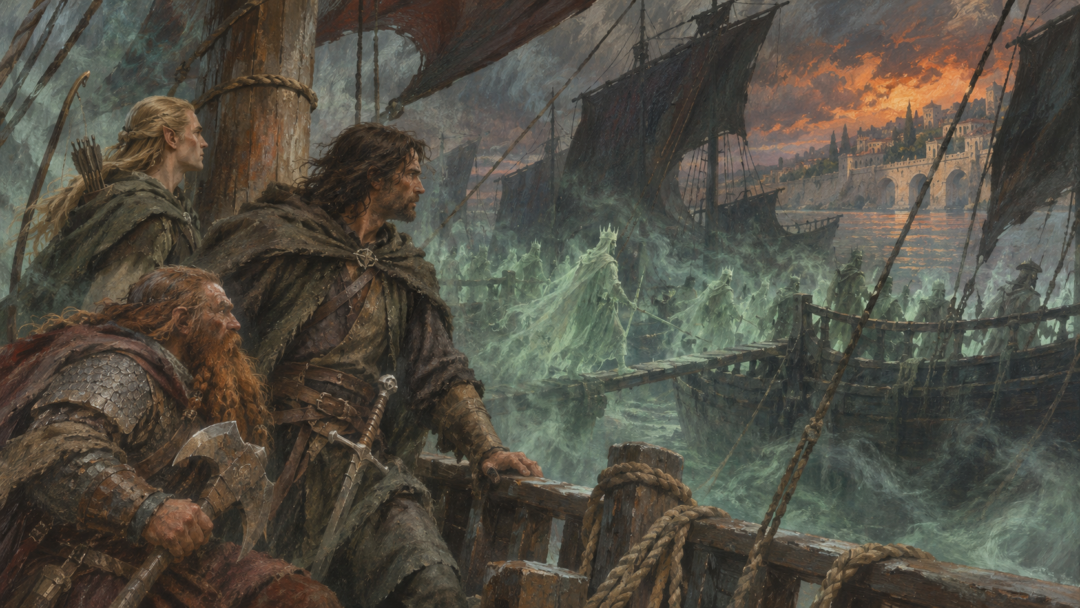
Then there are the Black Ships. In the theatrical cut, their arrival at Minas Tirith surprises us as Aragorn brings the Dead into battle. The extended edition shows how his company seizes the Corsairs' vessels, making the journey to the city easier to follow. That clarifies events, although explaining a surprise can diminish its force. In the novel, Aragorn releases the Dead after the victory at Pelargir and reaches Minas Tirith aboard the ships with living allies.
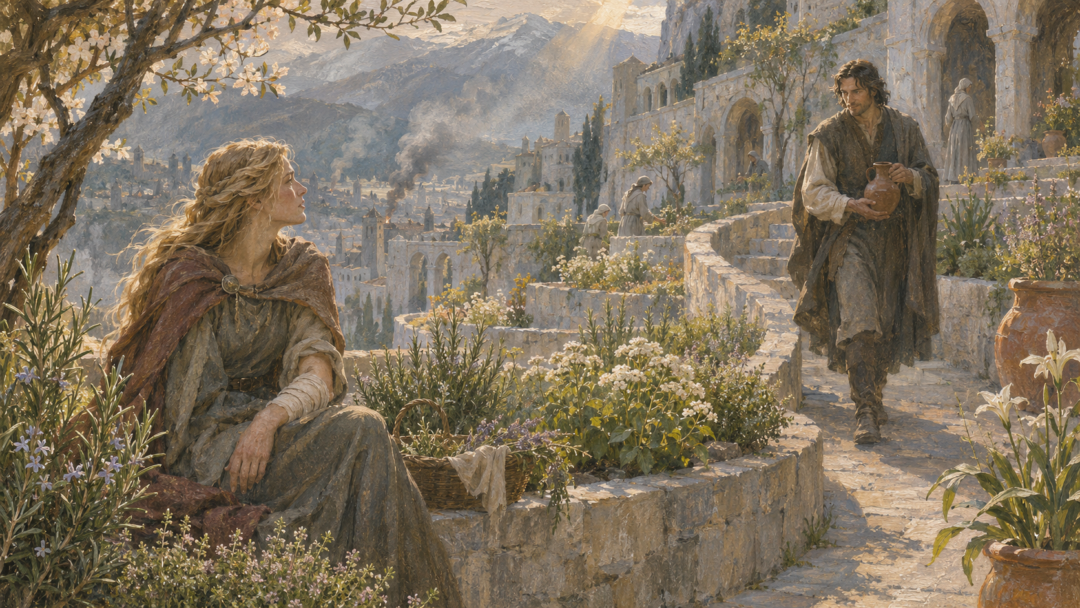
Other restorations humanize Gondor's crisis. Gandalf's explanation of the kingdom's decline helps clarify why stewards govern in place of kings. The Houses of Healing give Éowyn and Faramir attention after their separate ordeals and begin to suggest a future beyond warfare. Their survival offers tenderness amid the losses. Still, the film only gestures toward the healing and developing relationship that receive fuller treatment in the book; an added scene is not the same as a fully adapted subplot.
The confrontation between Gandalf and the Witch-king poses a tougher question. It heightens the terrifying authority of the enemy, but the image of Gandalf overpowered, his staff broken, may also diminish a figure whose steadiness has anchored the trilogy. The expanded film additionally gives Gimli more comic moments, some of which interrupt an increasingly grave final act. An entertaining scene can still weaken its neighbors.
Mark Moring's December 2004 Christianity Today review reached a mixed verdict. He praised the restored Saruman material, the Black Ships explanation and attention given to wounded characters, yet complained that some additions, including Gimli's comic relief, detracted from the film. His estimate that half the new footage helped was an opinion, not a measured finding. The example is instructive: the longest edition can contain both some of the trilogy's most welcome restorations and material an editor had good reasons to leave out.
Better films, or a better way to spend an evening?
The extended editions were also substantial home-video releases, accompanied by commentaries and extensive documentaries about the filmmaking. Both DVD Journal's assessment of The Two Towers and Moring's review of The Return of the King valued the packages, not just their running times. Moring also praised documentaries about the horses and Howard Shore's score. Such material rewards ownership without proving the longer edit is stronger.
For newcomers, the theatrical trilogy remains the stronger recommendation: it builds momentum and delivers the story with fewer digressions. For repeat viewers, the extended editions offer a different pleasure, especially when a familiar glance gains context or a briefly seen character is allowed to speak. You can prefer the extended Fellowship, admire the added Faramir material in The Two Towers, and still prefer a leaner Return of the King.
The best way to understand the distinction is to think of Sam leaving Lothlórien with Elven rope tucked among his belongings. The theatrical journey can survive without pausing over every gift. The longer journey lets us see more of what was given, and why it might matter later. Neither experience cancels the other. One carries us swiftly toward Mount Doom; the other makes us notice a few more of the hands that helped the travelers get there.
Sources & Notes
This article is based on close reading and interpretation of Tolkien's published works and related source material where relevant.