Would a Lord of the Rings Open-World RPG Actually Work?
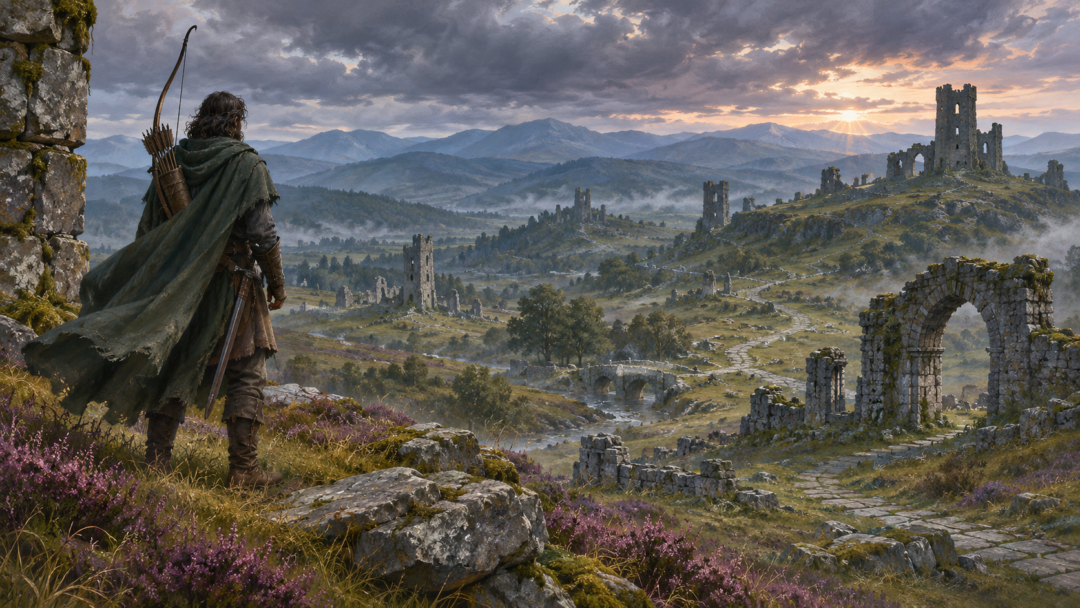
An open-world Lord of the Rings RPG sounds like an easy victory: give players a horse, a sword, a vast map of Middle-earth, and permission to wander. They could explore Arnor’s ruins, cross the Misty Mountains, or spend an afternoon doing nothing in the Shire.
But Middle-earth is memorable for more than beautiful places and dangerous creatures. Its landscapes carry history; its journeys involve discomfort, uncertainty, and decisions that sharper blades cannot solve.
**A great Middle-earth RPG should be open-world, but resist turning every corner of Tolkien’s world into another combat encounter.** A focused, reactive adventure would make exploration matter through what players discover, protect, and sometimes lose.
The World Should Feel Older Than the Player
Tolkien makes places important before readers fully understand them. At Weathertop, Aragorn knows the history, but Frodo and the other hobbits find a broken watchtower in a lonely landscape, haunted by a vanished northern kingdom even before the Black Riders arrive.
Moria is not an ordinary dungeon. The Fellowship enters a magnificent abandoned civilization, finds evidence of Balin’s failed colony, and gradually understands its danger. Neither place needs a noticeboard advertising its significance.
Imagine a collapsed bridge in northern Eriador. A half-buried marker identifies a forgotten road; an elderly traveler recalls another name for it; a scholar in Rivendell explains its importance. No legendary weapon or twenty-part quest is necessary. The reward is understanding rather than acquiring another item. That distinction makes exploration feel like an encounter with history rather than a checklist of locations to clear.
The remnants of Arnor are ideal for such storytelling. Ruined fortifications, abandoned settlements, and surviving traditions could convey the North’s long decline. But too many ruins would become interchangeable without distinct histories, careful visual storytelling, and restraint enough to leave mysteries unresolved.
Set It Away From Frodo’s Main Journey
Making the player an additional Fellowship member would be a narrative mistake. Frodo’s mission has a defined purpose and outcome. Letting a new hero control its crucial events would contradict the story; excluding them from those decisions would leave them watching famous characters act.
Instead, set the game in Eriador during the decades before the War of the Ring, when Rangers of the North quietly protected scattered settlements. A wandering outsider could become involved in Ranger patrols, local disputes, missing travelers, and threats gathering along old roads.
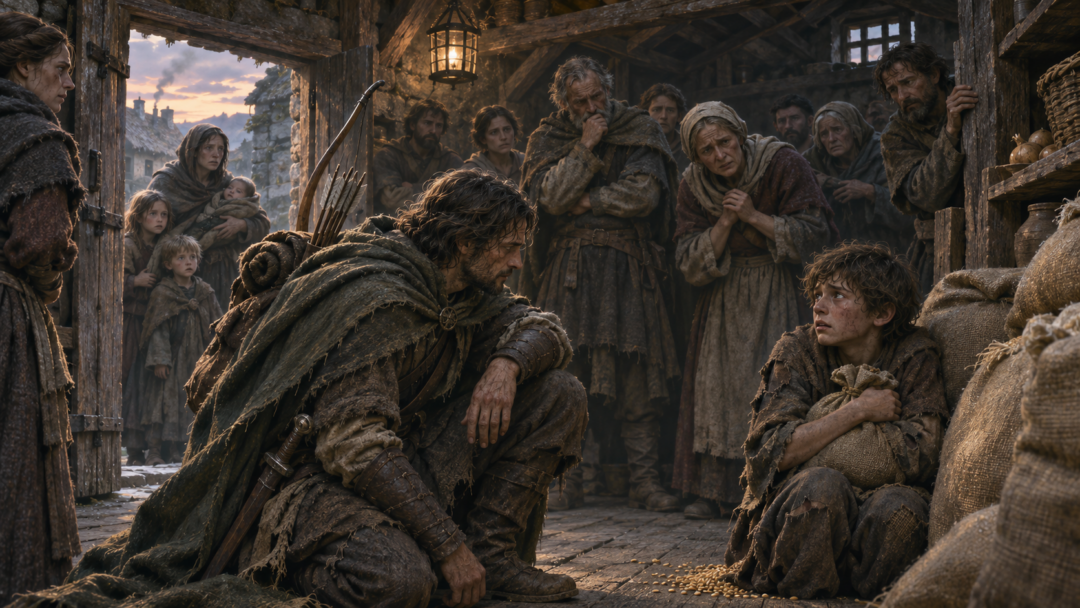
The protagonist needn’t be a secret heir or own something more powerful than the One Ring. Helping ordinary people should suffice. Original characters could include farmers distrustful of Rangers, merchants anxious about unsafe routes, and communities with inherited grievances from half-remembered conflicts.
This would provide freedom without demanding alterations to the central narrative. The period contains real dangers and unresolved local struggles, but none requires the player to secretly determine the fate of the Ring. Canon should set boundaries, not prescribe every encounter. An invented traveler’s actions leave creative room, provided the game doesn’t present invented events as established Tolkien history.
Exploration Must Involve More Than Collecting Objects
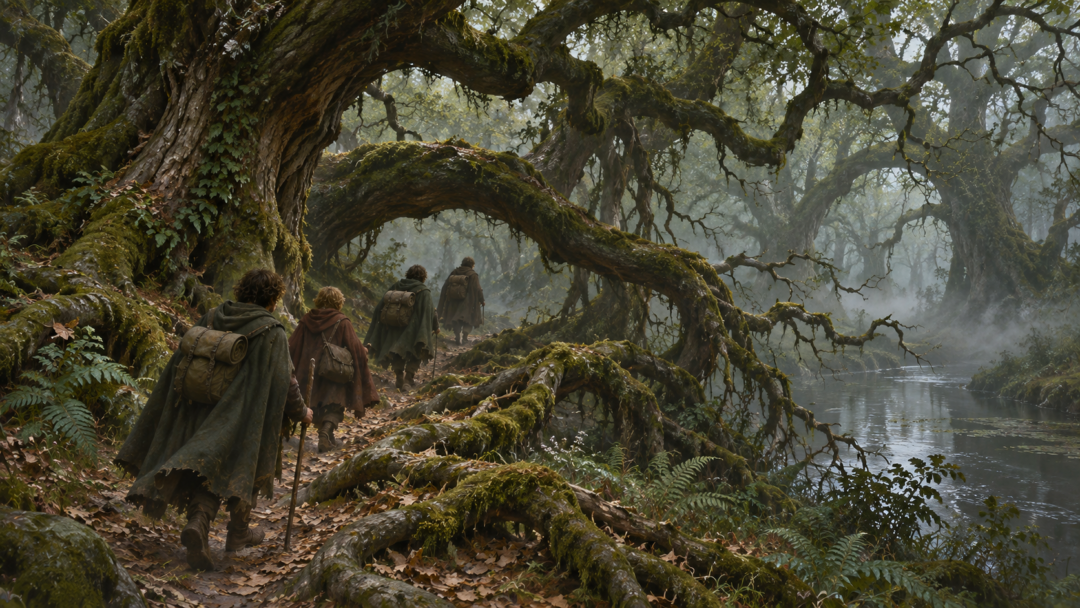
Tolkien’s journeys are compelling because reaching a destination is seldom straightforward. In The Fellowship of the Ring, the hobbits enter the Old Forest to avoid danger on the main road, only for the trees seemingly to guide them toward the Withywindle and Old Man Willow.
Imagine forests that obscure landmarks, mountain passes made impractical by weather, and travelers offering sincere but incomplete directions. Players would still need a usable map and reliable accessibility options: frustration isn’t immersion. The goal is observation and preparation, not guessing where developers hid a path.
Knowledge could function as progression. Learning a trail from a Ranger, finding a safe ford, or earning shelter from a suspicious household would change how players cross the world. Fast travel could connect known refuges, while dangerous routes still require preparation. Horses should suit terrain and distance, not climb every cliff like magical vehicles.
A journey could also become easier because someone remembers the player’s earlier kindness, rather than because a numerical travel skill increased. Sometimes the best discovery would simply be a quiet clearing, an unfamiliar song, or a view worth stopping for.
Combat Should Be Dangerous, Not Constant
Orcs, trolls, wolves, and hostile men offer ample combat opportunities, and Tolkien’s battles show how much courage and skill matter. But fighting is costly. At Weathertop, the Witch-king wounds Frodo with consequences far beyond the attack. In Moria, the Fellowship survives through cooperation and retreat, not by exterminating every enemy.
Combat could emphasize deliberate swordplay, archery, positioning, and limited supplies. A skilled Ranger might defeat several ordinary foes, but being surrounded should remain frightening. Enemies shouldn’t scale automatically to the player’s level: an early troll encounter should favor avoidance or clever preparation over a fair duel.
Stealth, negotiation, distraction, and retreat must be valid alternatives. Escorting villagers past an enemy patrol matters even without a spectacular sword as a reward.
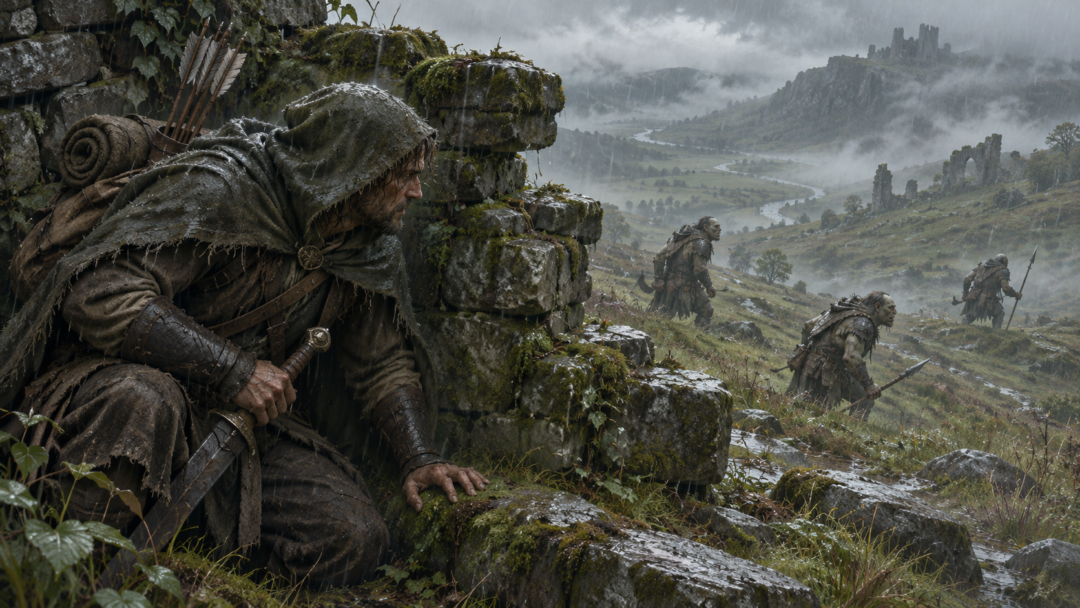
These alternatives should not feel like consolation prizes for avoiding the supposedly real activity. They should offer different risks and produce different outcomes. Violence should also have consequences. Clearing a camp might temporarily secure a road, but identical enemies shouldn’t respawn five minutes later merely to provide experience points.
Choices Should Test Character, Not Just Alignment
Obvious good-versus-evil buttons would flatten Tolkien’s moral complexity. In The Two Towers, Faramir’s men could kill Gollum at the Forbidden Pool. Frodo arranges his capture to spare him, yet Gollum sees betrayal. Mercy has no uncomplicated payoff.
An RPG could explore similar tensions. Suppose a suspected thief steals provisions for displaced relatives. Returning the supplies protects a struggling village; allowing the thief to escape may save innocents elsewhere. Neither is a universal moral victory, and the choice should not be reduced to a color-coded alignment meter. Relationships, access to shelter, and later encounters could reflect the decision.
Consequences must still be understandable: players need enough information to choose meaningfully, without predicting everything.
Power offers another test. The One Ring must not be equippable legendary loot. Smaller temptations could include claiming unearned authority, frightening people into obedience, or sacrificing others for an apparently necessary victory. No second world-ending artifact is required.
The Best Quests Would Be Surprisingly Small
Conventional RPGs escalate from missing livestock to saving civilization. Middle-earth could sometimes refuse that trajectory.
At an abandoned farmhouse near the Weather Hills, a traveler might ask the player to recover a family possession before winter. Evidence reveals the family fled an older conflict and never returned. The player could retrieve the object, locate a surviving relative, or preserve something with historical significance beyond sentimental value. No ancient demon needs to emerge from the cellar.
Another quest could involve guiding a frightened merchant along an exposed road, with success depending on weather, preparation, and knowledge of hospitable nearby communities. These are proposed game scenarios, not Tolkien canon. Both connect ordinary needs with the wider world while giving players reasons to remember the people and places they encounter.
The Scouring of the Shire in The Return of the King shows why small stakes matter. Returning hobbits find their home damaged by exploitation and intimidation. Their growth matters not only because of distant victories but because they can confront injustice at home. Protecting a home can be as moving as defeating a monster.
Progression Should Reflect Experience, Not Superhuman Power
Traditional RPG advancement can become absurd: a novice barely survives a wolf, then fifty hours later withstands enormous falls and defeats armies alone. That would damage Middle-earth’s tone.
Development should emphasize capability, knowledge, and relationships over limitless strength. Rangers could improve tracking, swordsmanship, wilderness medicine, and stealth. Scholars could learn forgotten languages, identify inscriptions, and interpret overlooked clues. Wandering craftsmen could maintain gear, negotiate supplies, and repair useful structures. Paths should overlap so different playstyles aren’t punished, and knowledge gained through quests should remain useful outside the quest that introduced it.
Equipment should matter through craftsmanship, condition, and suitability: a good cloak protects against weather, and a maintained sword stays dependable on long expeditions. Magical items must remain rare. Every roadside bandit wearing an enchanted helmet would erase the ordinary’s distinction from the extraordinary.
The reward is becoming capable of journeys once deemed impossible without surpassing every hero in the legendarium.
A Smaller Map Could Deliver a Bigger Adventure
Recreating all Middle-earth is tempting: the Shire, Rivendell, Rohan, Gondor, Moria, Mordor, and distant eastern lands. Yet covering them all creates problems of scale, narrative density, and authenticity. A compressed continent makes kingdoms feel like neighboring villages; an enormous one risks empty space or repetitive filler.
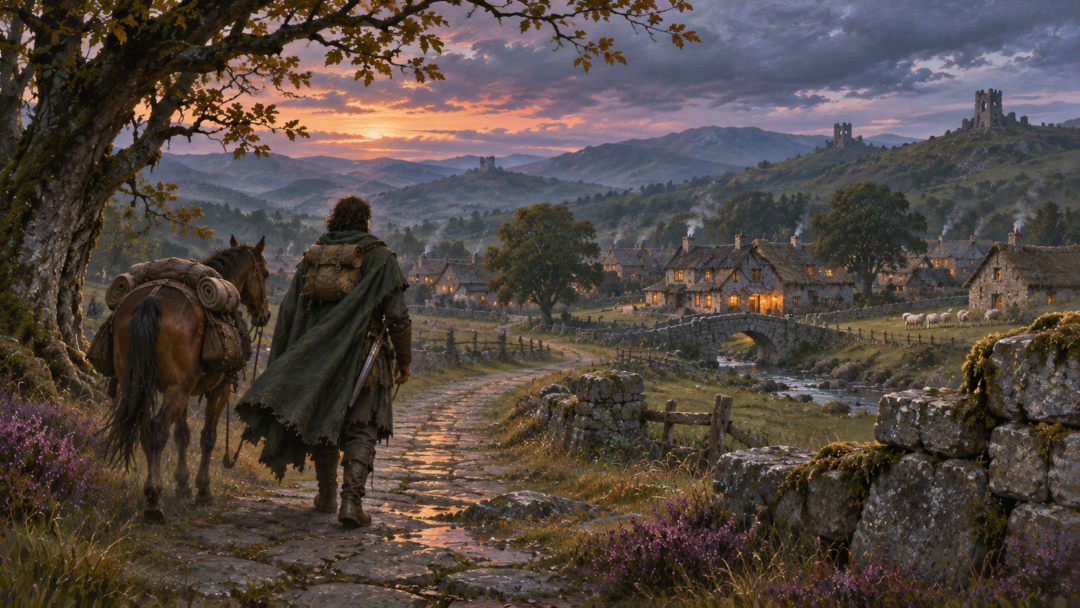
Start with the North: the Shire’s borders, Bree-land, the Weather Hills, old northern roads, the Trollshaws, and approaches to Rivendell. That provides varied settlements, landscapes, ruins, and routes without shrinking Middle-earth into a theme park of instantly accessible landmarks.
The Old Forest offers unsettling exploration; Bree, social encounters and competing rumors; the Weather Hills, dangerous journeys through Arnor’s remains; Rivendell, scholarship and rare refuge.
What matters more than square mileage is the distance between safety and uncertainty. Leaving Bree with little food, worsening weather, and an unfamiliar route should make reaching shelter meaningful.
Pacing would be critical over dozens of hours. Forced walking becomes tedious; too many shortcuts erase atmosphere. Balancing them is harder and more worthwhile than creating the biggest map.
What About Multiplayer and Famous Characters?
A primarily single-player RPG best supports coherent storytelling and lasting consequences. Optional cooperative expeditions might work for exploration and difficult encounters, but a persistent online world creates tensions: repeated bosses, crowded legendary sites, and aggressive reward systems risk turning a lived-in setting into an amusement park.
Famous characters require care. Meeting Aragorn before he becomes king could be memorable if he has his own responsibilities rather than functioning as a permanent quest dispenser. Elrond might share knowledge without supplying unlimited magical upgrades. Tom Bombadil, if included, shouldn’t merely explain every developer-created mystery.
These characters should retain the mystery and independence that make them compelling. Rare encounters would show that Middle-earth extends beyond the player’s adventure.
Would It Actually Work?
Yes, but not by grafting Tolkien’s geography onto a conventional fantasy RPG. Commercial pressure could favor endless combat, oversized skill trees, ever-stronger loot, and quests designed primarily to occupy players. Those features can entertain without suiting The Lord of the Rings.
A focused Eriador adventure could instead offer dangerous travel, layered history, restrained combat, difficult loyalties, and communities worth protecting. It could allow freedom without rewriting Frodo’s story or crowning the player Middle-earth’s most important person.
Whether deliberate travel can stay accessible and enjoyable remains uncertain. The design would require discipline, especially about what to omit.
Tolkien supplies the strongest reason to try. In The Lord of the Rings, a road isn’t simply a route between objectives: it brings fear, friendship, temptation, unexpected kindness, and traces of a much older world.
**The ideal open-world Middle-earth RPG would make players care about the road before becoming obsessed with its destination.**
Sources & Notes
This article is based on close reading and interpretation of Tolkien's published works and related source material where relevant.