Why Saruman Withdrew from the White Council and Chose Isengard

Saruman Orthanc Isengard

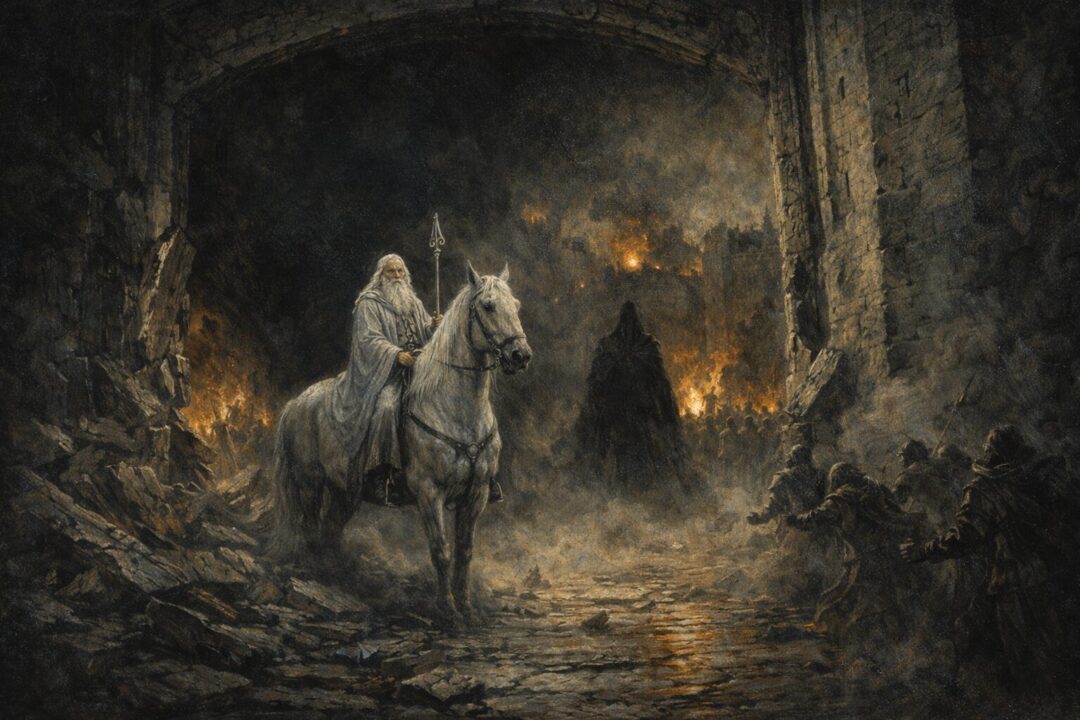
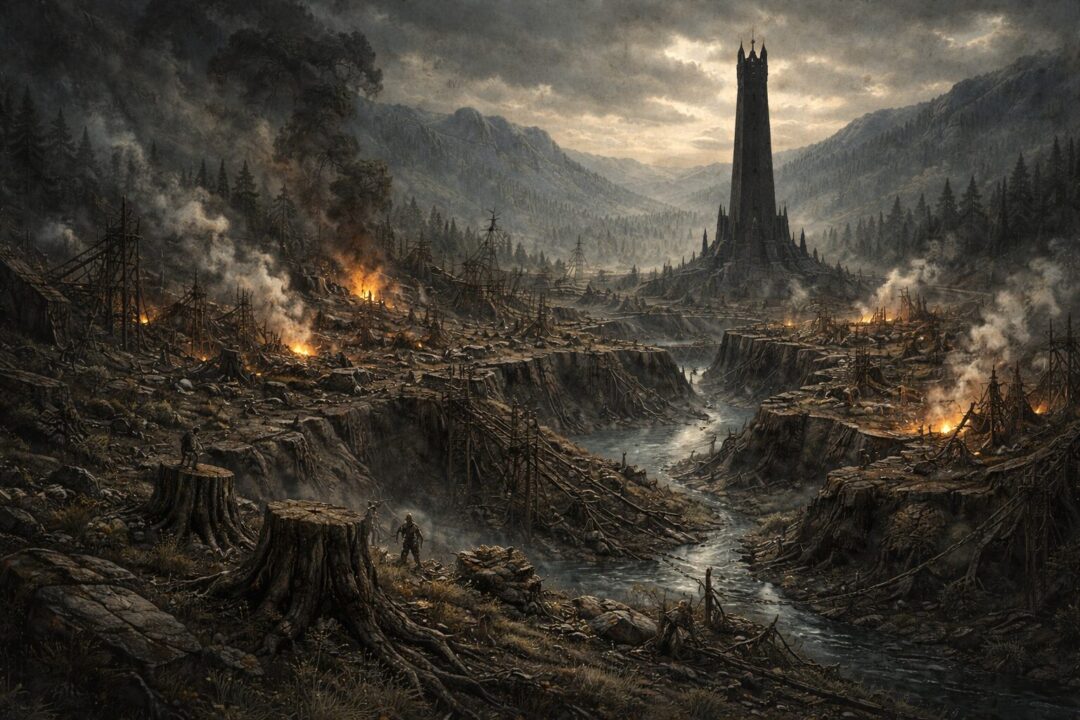
When most readers first encounter Saruman in The Lord of the Rings, his fall is already complete. He rules Isengard as a tyrant, commands great engines of war, and speaks with a voice crafted to dominate the wills of others. His betrayal feels sudden only because Tolkien introduces us at the end of the story, not the beginning. But Tolkien … Read more

Why Didn’t Saruman Go to Mordor Himself?

Saruman didn't go to Mordor

At first glance, Saruman’s absence from Mordor appears cowardly. If he truly sought power, why not confront Saurondirectly? Why remain sealed within Orthanc while the Dark Lord ruled openly from the East? Tolkien’s answer is far more unsettling—and far more tragic. Saruman did not fear Mordor.He feared submission. To go to Mordor would have required Saruman to define himself … Read more

Why Didn’t Elrond Take the Ring?

Elrond refuses the One Ring

Among all the Free Peoples of Middle-earth, few were as seemingly qualified to wield the One Ring as Elrond of Rivendell. He was ancient when most realms were young, wise beyond nearly all others, and powerful enough to command respect from Elves, Dwarves, and Men alike. He was a loremaster, a healer, and a leader … Read more

Did Denethor Know Aragorn Was the Heir of Isildur?

Denethor sees Aragorn in Palantir

At first glance, the confrontation between Denethor and Aragorn in The Return of the King feels like a moment of sudden revelation. Aragorn arrives in Minas Tirith after the Battle of the Pelennor Fields, reveals his lineage, and claims his place as the rightful King of Gondor. Denethor, by then broken and near madness, never truly faces that claim. But Tolkien … Read more

The ONE Person Feanor Absolutely Hated

Death of Feanor battling Balrog

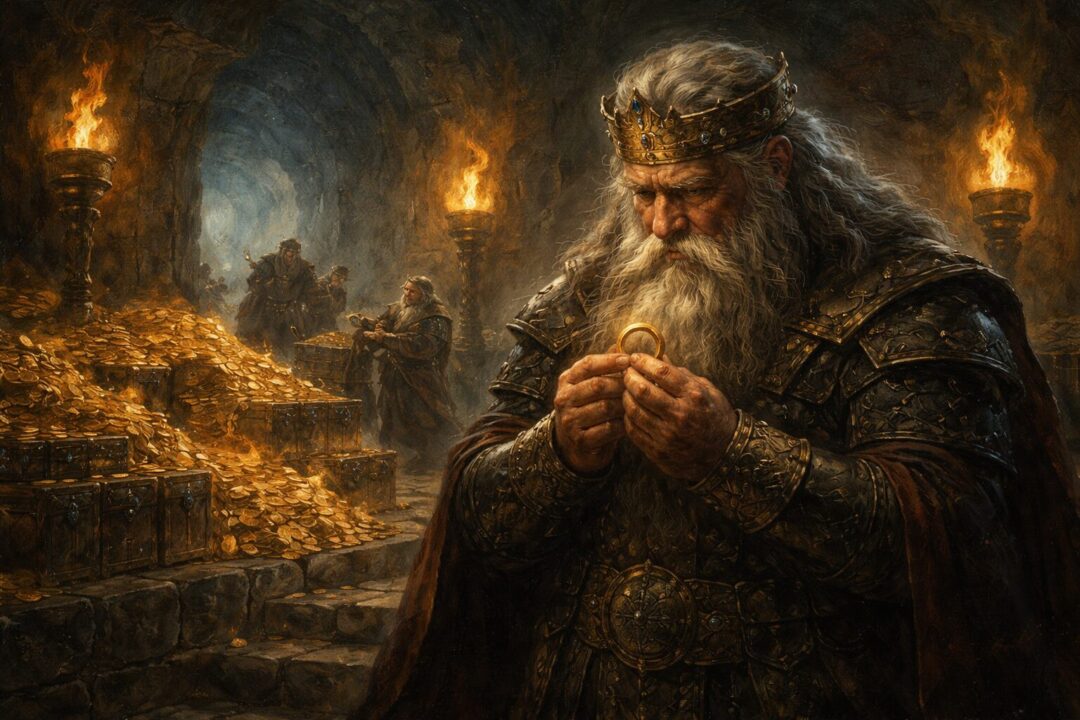
When people talk about Fëanor, they usually focus on his pride. His arrogance. His refusal to listen to counsel, even from the Valar themselves. And while all of that is undeniably true, it misses the deeper engine driving nearly every major decision he makes. Tolkien does not write Fëanor as someone who hates broadly or indiscriminately.He … Read more

Why Didn’t Sauron Personally Enter the War of the Ring?

Sauron form in the Second Age

At first glance, Sauron’s absence from the battlefield during the War of the Ring feels almost disappointing. Earlier ages of Middle-earth present him as a being who fought openly and directly: a Dark Lord who stood against kings, shattered alliances, and personally slew some of the greatest heroes the world had ever known. In the … Read more

Why Did Sauron Wait So Long to Move Openly?

War of the Ring Mount Doom

When readers look closely at the timeline of Middle-earth, one question comes up again and again: why does Sauron wait so long to act? The One Ring is cut from his hand at the end of the Second Age. The War of the Ring does not erupt until the final years of the Third Age—nearly three thousand … Read more

Why Reframing Boromir Undermines Tolkien’s Intent

Aragorn and Boromir final scene

In modern fandom discussions, there is a recurring temptation to “fix” tragic characters. Viewers and readers alike often look back at figures who fall, fail, or die and imagine how their stories could have gone differently—if only they had gained more insight, more power, or a clearer understanding of themselves before it was too late. This instinct … Read more

The Only Reason Glorfindel Disappears From The Lord of the Rings

Frodo sees Glorfindel

Glorfindel is one of the most powerful characters who ever appears on the page in The Lord of the Rings—and one of the most quietly removed. When readers first meet him in The Fellowship of the Ring, he is unmistakably extraordinary. Frodo sees him shining with an inner light, revealed fully when the Ring is on his … Read more

Why Don’t We See More Blended Peoples in Middle-earth?

Aragorn and Elrond of Rivendell

At first glance, Middle-earth appears rigidly divided. Elves are Elves. Men are Men. Dwarves dwell in stone halls, Hobbits remain tucked into the Shire, and each people seems to walk its own ancient road. Borders—cultural, geographic, and symbolic—feel firm and unchanging, as if laid down at the world’s beginning. This surface impression is not accidental. … Read more