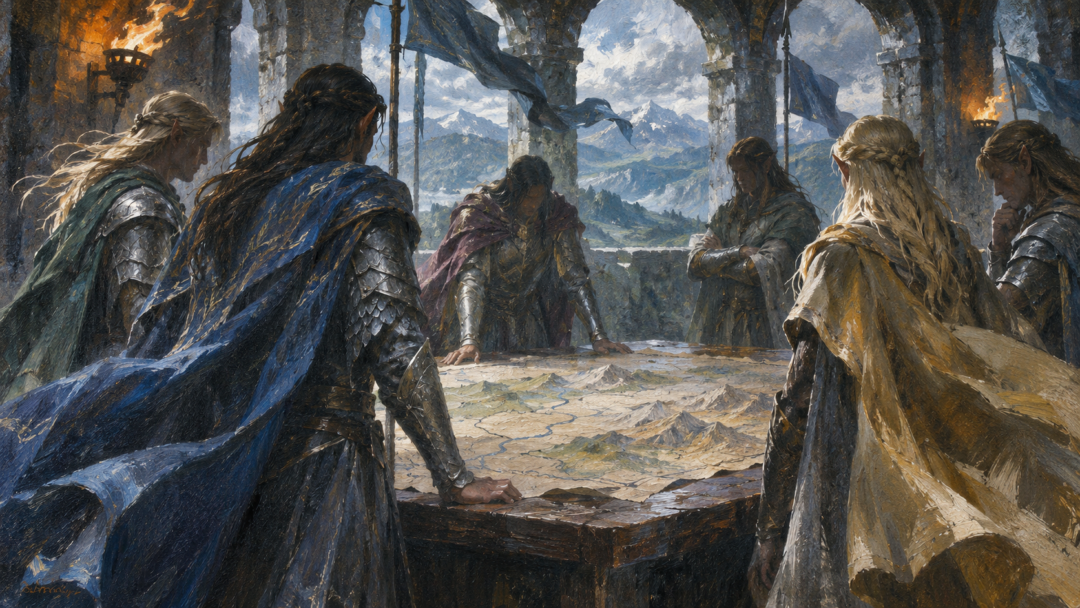
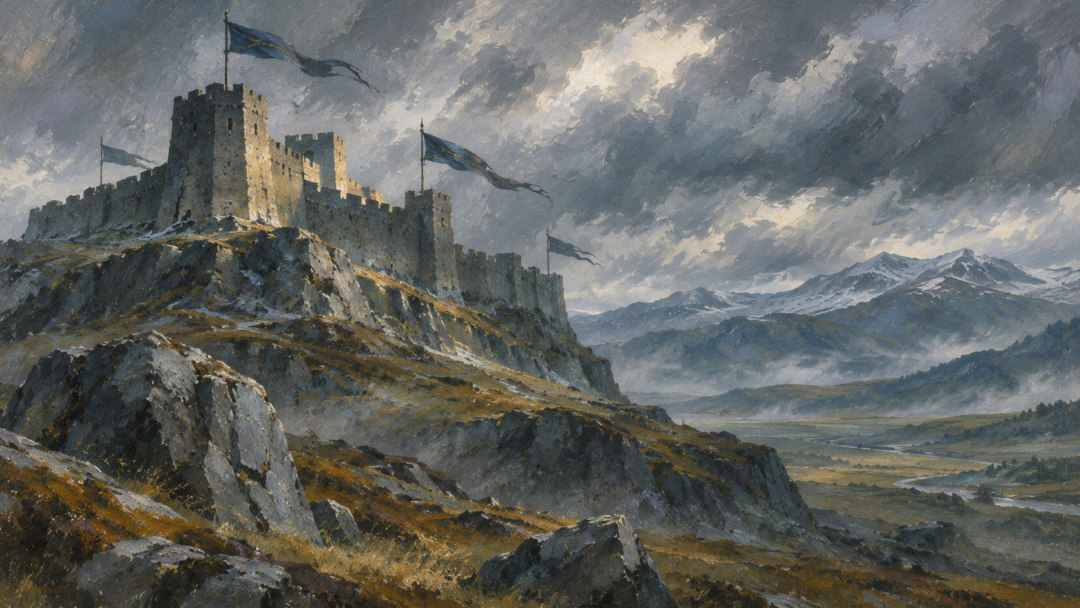
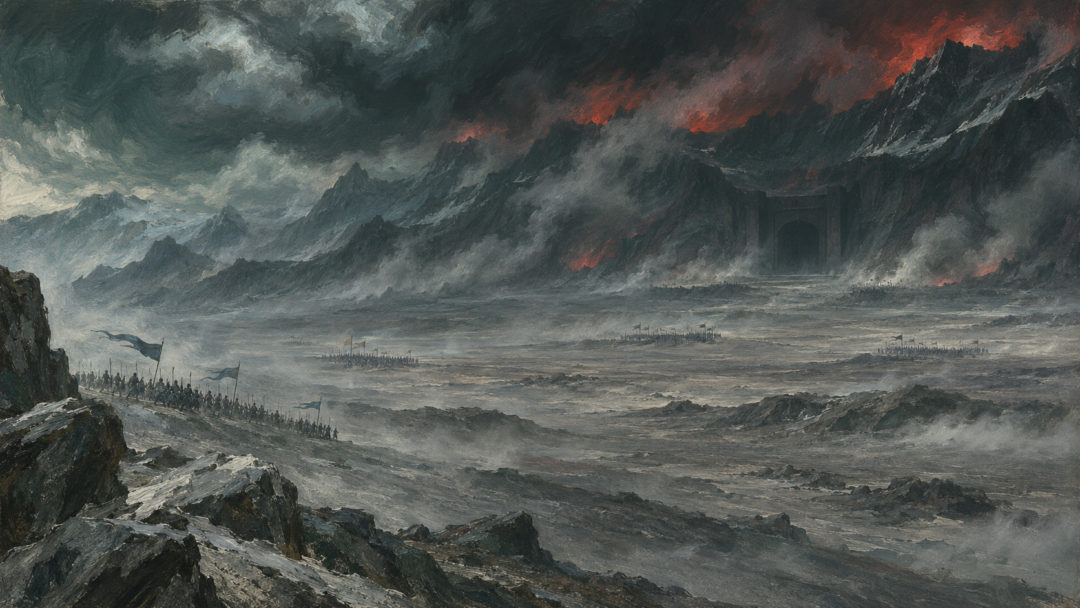
On a midsummer morning, Fingon watched the north from the walls of Eithel Sirion. Beyond the hills lay the ash-covered plain before Angband, and somewhere to the east Maedhros was supposed to be advancing with his allies. Two great armies had been gathered to challenge Morgoth. Yet the name remembered for their alliance was the Union of Maedhros, after a son of Fëanor whose family had already alienated important potential allies.
Who else could have issued the call? Tolkien never ranks alternatives, but the strongest candidate, in my reading, is Fingon, High King of the Noldor. He held Hithlum’s western frontier, and warriors unwilling to follow Fëanor’s sons still served under his banners. Turgon ruled a hidden city, while Nargothrond and Doriath rejected Fëanorian demands. The question is who could gather trust, not just armies.
The Union Was More Than One House’s Army
The immediate spark came from a deed that seemed almost impossible: Beren and Lúthien had taken a Silmaril from Morgoth’s crown. Their story was sung throughout Beleriand, and Maedhros saw an opening. The narrative says, “In those days Maedhros son of Fëanor lifted up his heart, perceiving that Morgoth was not unassailable”. The threat reached beyond his family’s jewels: Morgoth could defeat the divided realms one by one.
Maedhros did the work of forming the league. He rallied his brothers and sought help beyond the eastern Noldor. The Dwarves of Nogrod and Belegost supplied arms and warriors; the Men of Bór and Ulfang were assembled and trained. Across Beleriand, Fingon consulted with Himring, Maedhros’s stronghold, while the Noldor of Hithlum and the house of Hador prepared in the west. It was a regional alliance, not a private expedition. Yet the Oath of Fëanor and the deeds done in its name had already reduced the help Maedhros could expect.
Its plan also depended on two separate commanders. Maedhros would advance openly from the east over Anfauglith, drawing out Morgoth’s forces; Fingon would then emerge from the western passes, catching the enemy between them. A beacon in Dorthonion would signal the attack. The Union first drove Orcs from northern Beleriand, even briefly from Dorthonion. But that success warned Morgoth, who sent spies to undermine its plans.
Why Fingon Had the Strongest Alternative Claim
Fingon’s authority was not hypothetical. His father Fingolfin had already died fighting Morgoth, and Fingon now held the High Kingship of the Noldor. Earlier, Maedhros had yielded that kingship to Fingolfin; Fingon had also famously rescued Maedhros from captivity, helping mend the breach between their houses. Their cooperation rested on more than a convenient division of the battlefield.
The western gathering made his kingship tangible. He commanded the Noldor of Hithlum and was joined by Elves from the Falas, the Men of Dor-lómin under Húrin and Huor, and fighters from Brethil. Halmir had rallied the Haladin in their forest, though he died before the battle; his son Haldir led them into it. Fingon stood at a meeting point of Elven lordship and the established alliances with the Edain.
Even more revealing were the warriors who joined although their kingdoms withheld their armies. Gwindor led a small company out of Nargothrond against Orodreth’s will. They bore the badge of Fingolfin’s house and marched under Fingon’s banners. Beleg and Mablung came from Doriath with permission to fight only if they did not serve Fëanor’s sons; they too joined Fingon. This does not mean he could have won over either kingdom. It shows an alternative centre of loyalty within the Union.
Turgon Had an Army, but Not a Public Kingdom
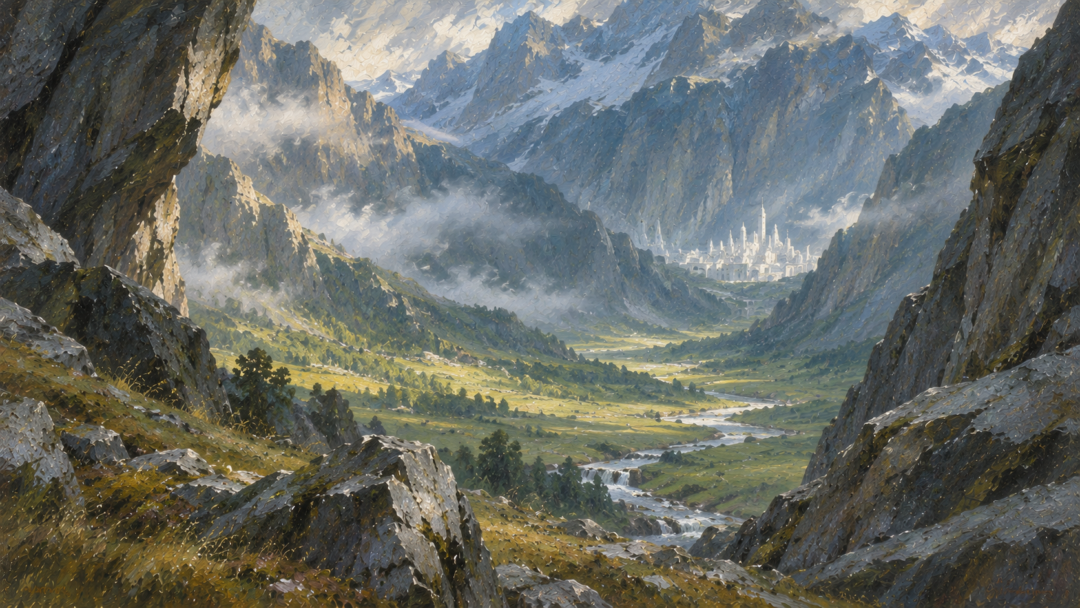
Fingon’s brother Turgon offers the most tempting rival answer. His hidden realm of Gondolin could field a great company of mail-clad Elves, and its arrival astonished the western host. Turgon came unlooked-for, having opened the way out of his secret city. The Gondolindrim’s appearance lifted hope before the fighting. If strength alone settled the question, Turgon would be a serious candidate.
But Gondolin depended on secrecy. Turgon could not freely invite Beleriand into his realm or assemble strangers at its gates. Though he joined the wider host, he held most of his soldiers back from the first assault to guard the Pass of Sirion. When Fingon’s army was in danger, the main host entered the battle: “In the morning came hope, when the horns of Turgon were heard as he marched up with the main host of Gondolin”.
Turgon’s limited role was still consequential. He could intervene with overwhelming courage at a chosen moment, and after the defeat his surviving army withdrew toward the hidden approaches of his realm. It does not follow that he could organize an open league without endangering Gondolin. A secret refuge and a public coalition demanded different kinds of leadership.
The Two Refusals Were About More Than Fear
Nargothrond’s refusal is unusually explicit: “Orodreth would not march forth at the word of any son of Fëanor, because of the deeds of Celegorm and Curufin”. Those brothers had badly damaged relations with Orodreth’s realm during the story of Beren and Lúthien. Nargothrond also relied on secrecy and stealth for its defence. The refusal cost the Union strength, but it reflected both a real injury and Nargothrond’s defensive strategy.
Gwindor’s exception makes the distinction painfully human. He went north grieving for Gelmir, his brother, whom Morgoth had captured. When the enemy displayed and killed Gelmir before Fingon’s lines, Gwindor and his companions charged in fury. Their attack helped draw the whole western army into battle before the planned conjunction with Maedhros. At Angband’s gate, all were lost except Gwindor, taken captive. Following Fingon did not prevent Morgoth from exploiting their grief.
Doriath’s refusal had a different immediate cause. Maedhros and his brothers had demanded the Silmaril that Beren and Lúthien brought to Thingol, threatening enmity if it was withheld. Celegorm and Curufin went further, threatening destruction if they prevailed in war and the jewel remained unsurrendered. Thingol’s growing desire to keep the Silmaril also belongs to the story, as does Melian’s counsel that he give it up. Threats, possessiveness and remembered suffering all shaped the dispute.
“From Doriath came little help.” Yet the exception matters enormously to the question of leadership. Thingol allowed his march-wardens Beleg and Mablung to go, provided they did not fight under Fëanor’s sons. Their presence with Fingon demonstrates that refusal of Maedhros’s demands was not necessarily refusal of all resistance to Morgoth. Yet two warriors were not the same as Thingol committing Doriath’s armies.
Allies Could Supply Power Without Convening the War
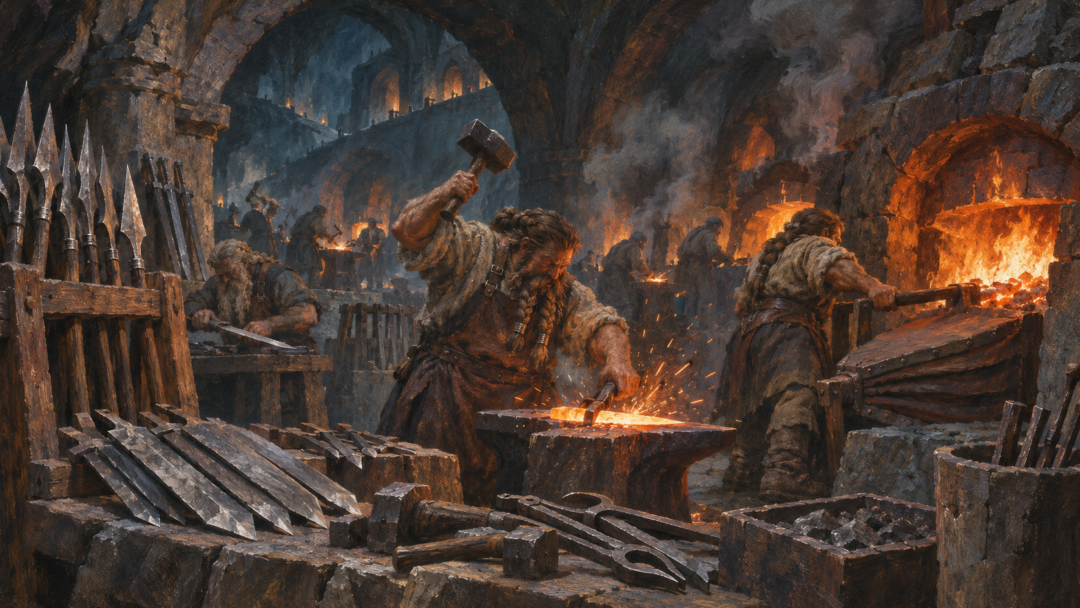
The Union’s reach extended beyond Elven claims to kingship. “But Maedhros had the help of the Naugrim, both in armed force and in great store of weapons”. The busy smithies of Nogrod and Belegost made the undertaking more formidable, while the Dwarves fought in their own right. At the battle, the Dwarves of Belegost stood against Glaurung; their lord Azaghâl wounded the dragon even as he fell. Their valour did not make them conveners of the Elven realms.
The eastern Men reveal a further difference between adding numbers and building dependable allegiance. The followers of Bór and Ulfang had joined Maedhros’s preparations, but they did not share one fate. Bór’s sons remained loyal in the crisis, while Ulfang’s sons attacked the Fëanorian rear. Maglor slew Uldor, the chief traitor, but his schemes had already damaged the eastern attack. The outcome turned on choices within their ranks.
The Battle Tested Every Weakness in the League
On the appointed morning, Fingon waited for a signal that did not come. Uldor’s false warnings had delayed Maedhros, while Morgoth deliberately provoked the army in the west. After Gwindor’s charge, Fingon’s warriors swept across the plain but were driven back. Turgon’s main host finally came to their aid, and then Maedhros struck from the east. For a moment the enemy faltered. The attack had threatened Angband, but not in the intended sequence.
Morgoth then committed the strength he had held back. Glaurung drove between the Elven armies, and the betrayal in the east shattered Maedhros’s position. In the west, Gothmog and another Balrog brought down Fingon. Húrin and Huor helped cover Turgon’s retreat toward the Pass of Sirion, preserving the hidden king’s escape at terrible cost. Nirnaeth Arnoediad did not prove that another leader would have won. It exposed the weakness of an alliance divided, delayed and deceived.
A Fingon-led summons might have avoided the particular offence caused by asking Nargothrond and Doriath to obey Fëanor’s sons. It could not automatically have undone the Oath, Thingol’s attachment to the Silmaril, Morgoth’s spies, or the choices of the Men in the eastern host. That limits the counterfactual. Fingon’s position and following make him plausible, but the story offers no second war to test it.
The answer, then, is Fingon—but as a reasoned reading, not a verdict handed down by the text. On the western heights he already stood beneath the High King’s banner, with warriors from otherwise estranged realms gathered around him. The tragedy is that such a place of meeting existed, and still the two wings of the Union could not strike as one. Across the ash plain, the space between their banners proved fatal.
Sources & Notes
- Tolkien Gateway, Union of Maedhros — the alliance's membership, two armies, and absent kingdoms — https://tolkiengateway.net/wiki/Union_of_Maedhros
- Tolkien Gateway, Fingon — the High King's position and leadership of the western army — https://tolkiengateway.net/wiki/Fingon
- Tolkien Gateway, Of the Fifth Battle: Nirnaeth Arnoediad — the refusals, Turgon's arrival, and the defeat — https://tolkiengateway.net/wiki/Of_the_Fifth_Battle:_Nirnaeth_Arnoediad
Reading references: The Silmarillion, Of the Fifth Battle: Nirnaeth Arnoediad, with Of Beren and Lúthien for Nargothrond's estrangement from Fëanor's sons. Fingon as the strongest alternative convener is the author's assessment, not a ranking given by Tolkien.