Why the Mallorn at the Party Field Is a Political Symbol Without Being Planted for Politics
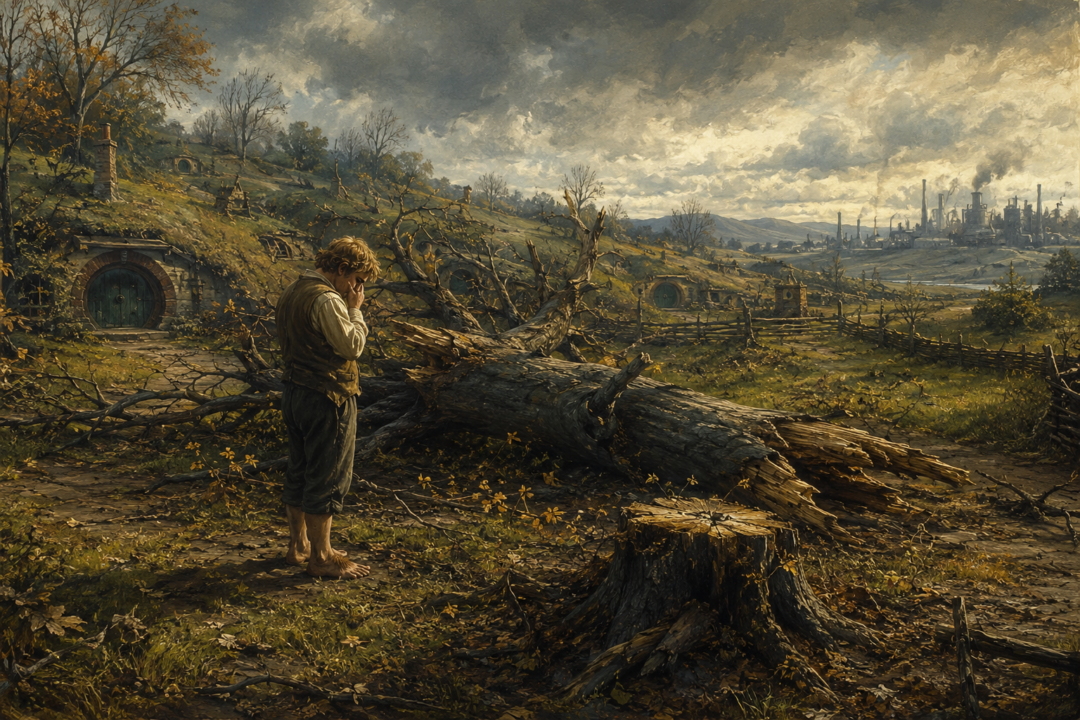
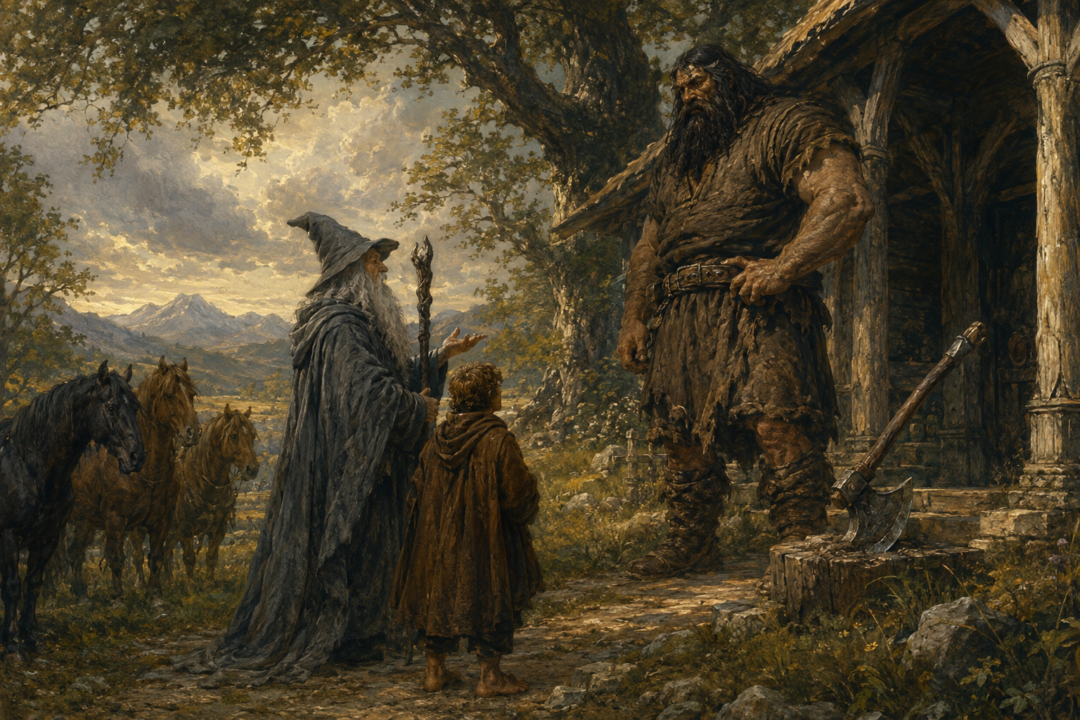
Samwise Gamgee confronting the felled Party Tree in Hobbiton after the Scouring of the Shire.

The most extraordinary tree in the Shire grows where another tree was deliberately destroyed. Before the War of the Ring, the Party Tree at Hobbiton was simply part of ordinary hobbit life. Bilbo Baggins gave his famous farewell speech beneath it during his eleventy-first birthday celebration. When Samwise Gamgee returned home after the destruction of … Read more
How place-names let Khuzdul survive despite deliberate secrecy

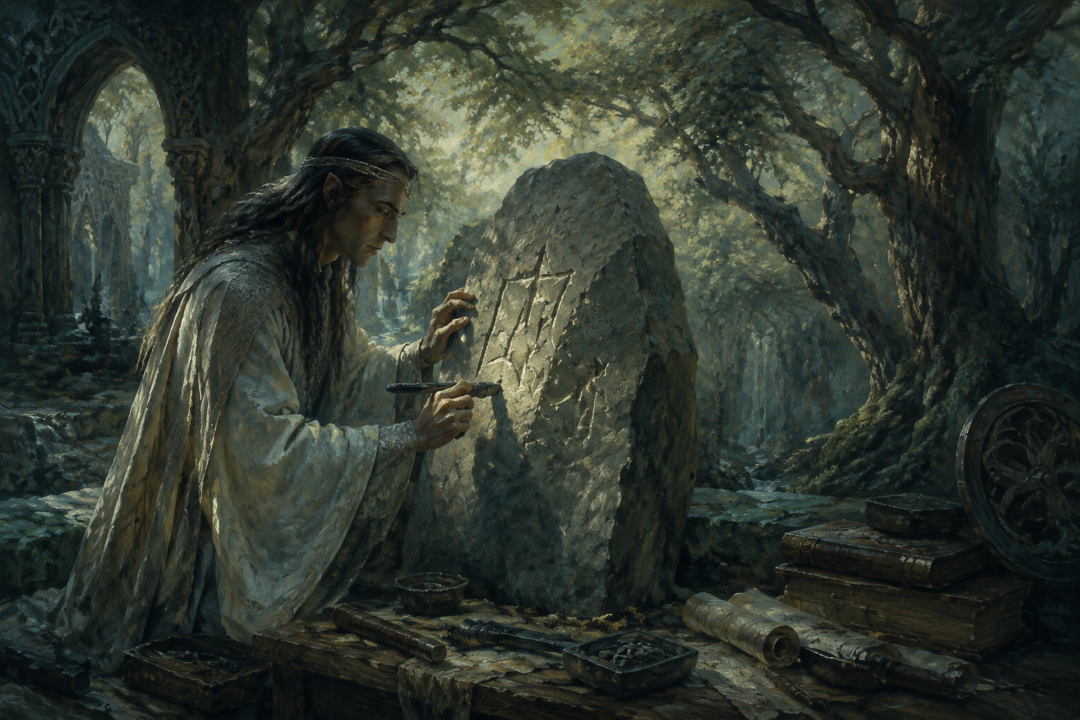
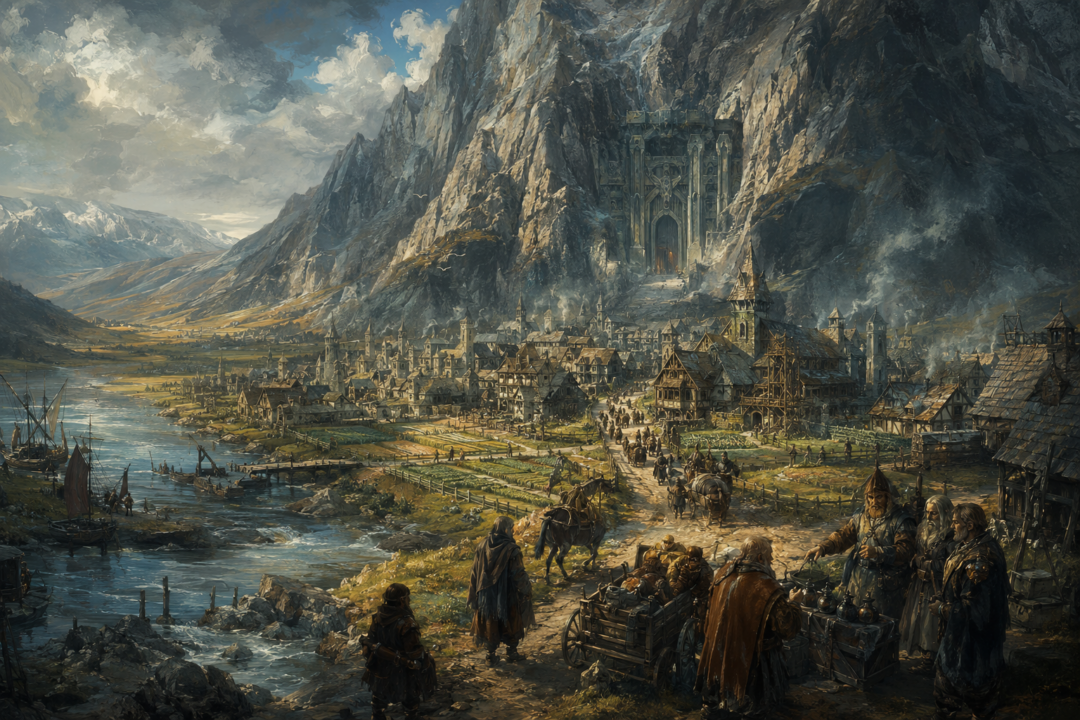
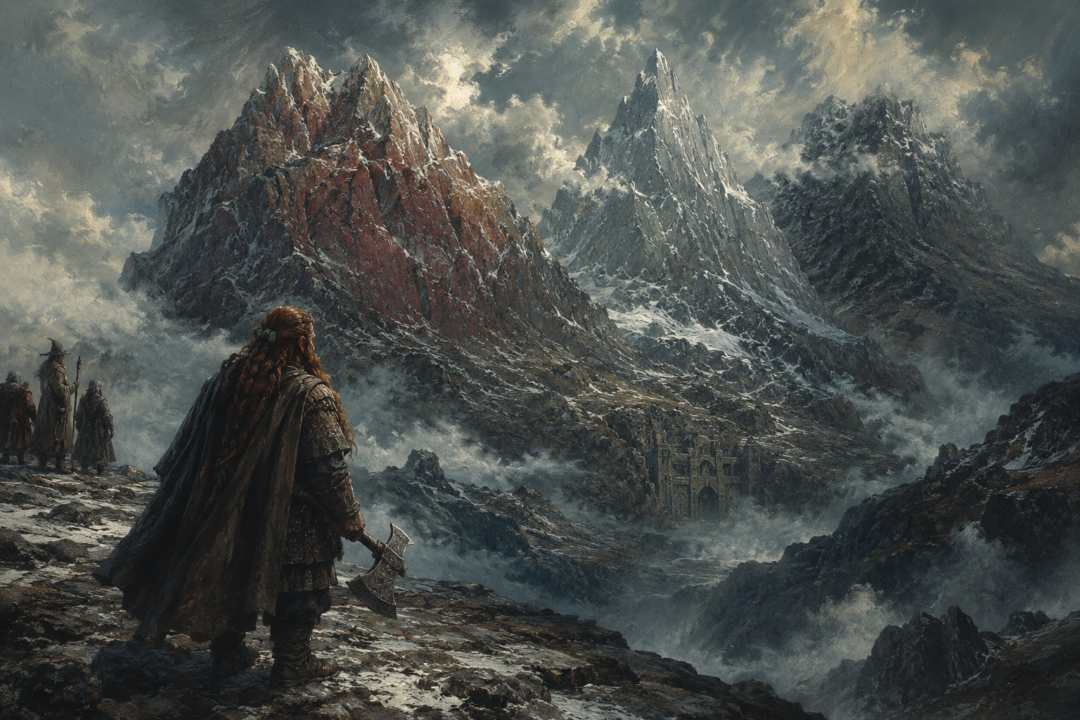
Gimli looking toward the three Dwarven-named mountains above Khazad-dûm, Barazinbar, Zirakzigil, and Bundushathûr

When Gimli looked toward the mountains above Moria, he did not know them only as Caradhras, Celebdil, and Fanuidhol. To him they were Barazinbar, Zirakzigil, and Bundushathûr. That distinction reveals something unusual about the Dwarves. Their own language, Khuzdul, was deliberately guarded from outsiders. Even the true personal names of Dwarves were kept so private … Read more

How the smials at Great Smials turn kinship into built hierarchy

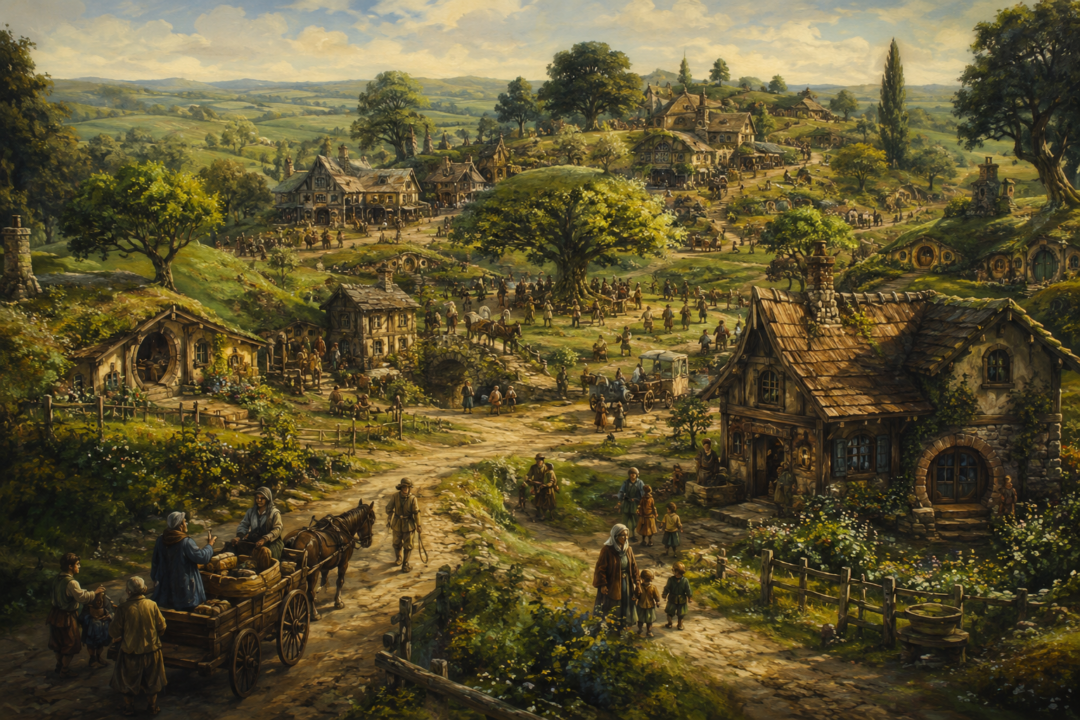
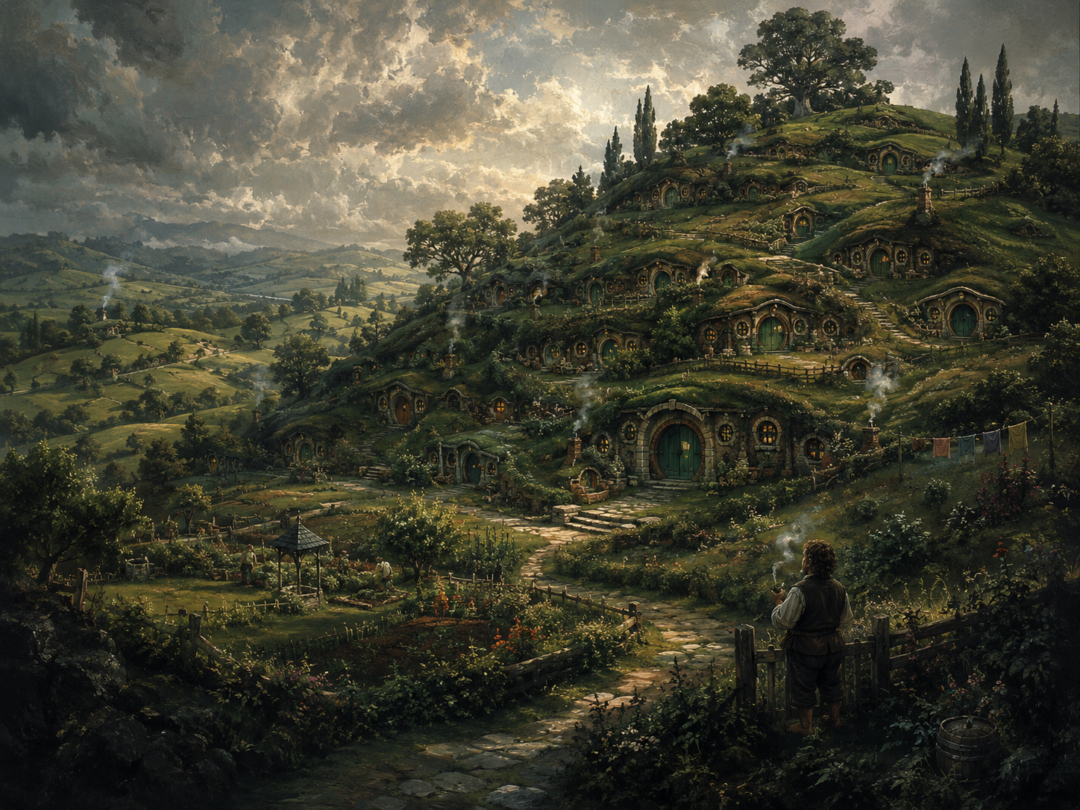
The Great Smials at Tuckborough burrowed into the Green Hills at the center of Tookland.

Bag End is famous because it belongs so unmistakably to one hobbit. Bilbo fills it with his books, possessions, meals, grudges, guests, and eventually the consequences of his adventure. The Great Smials are something different. Burrowed into the Green Hills at Tuckborough, they are not merely a particularly large hobbit-hole. They are the ancestral seat … Read more

How Mother-names and Father-names Let One Noldo Carry Multiple Meaningful Identities

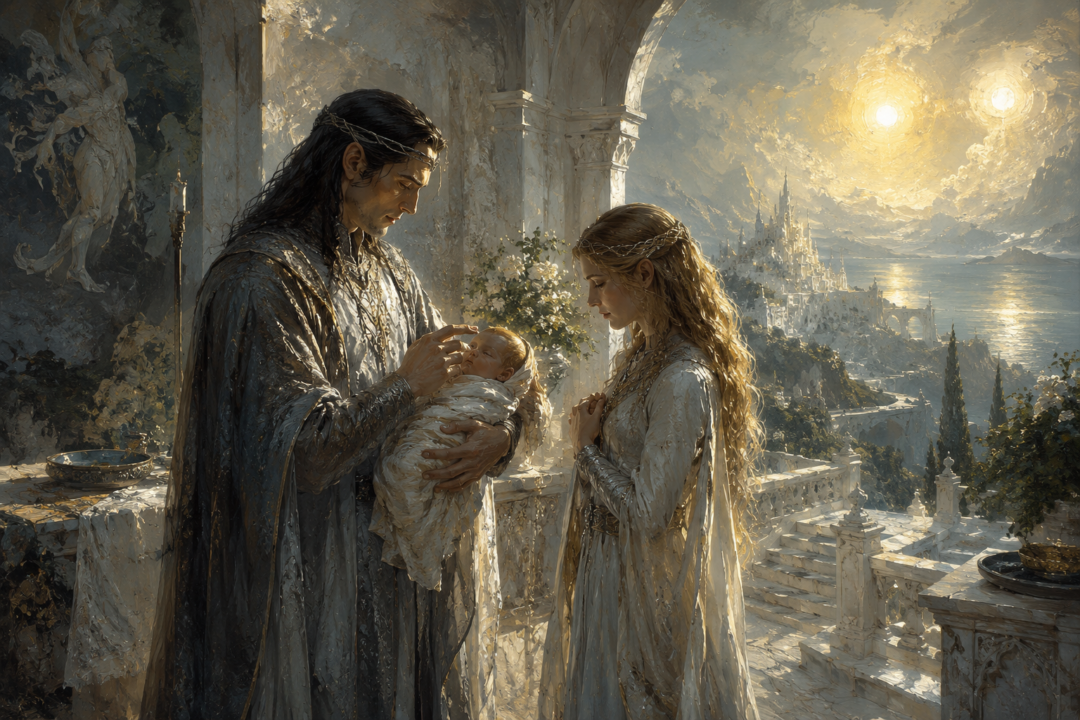
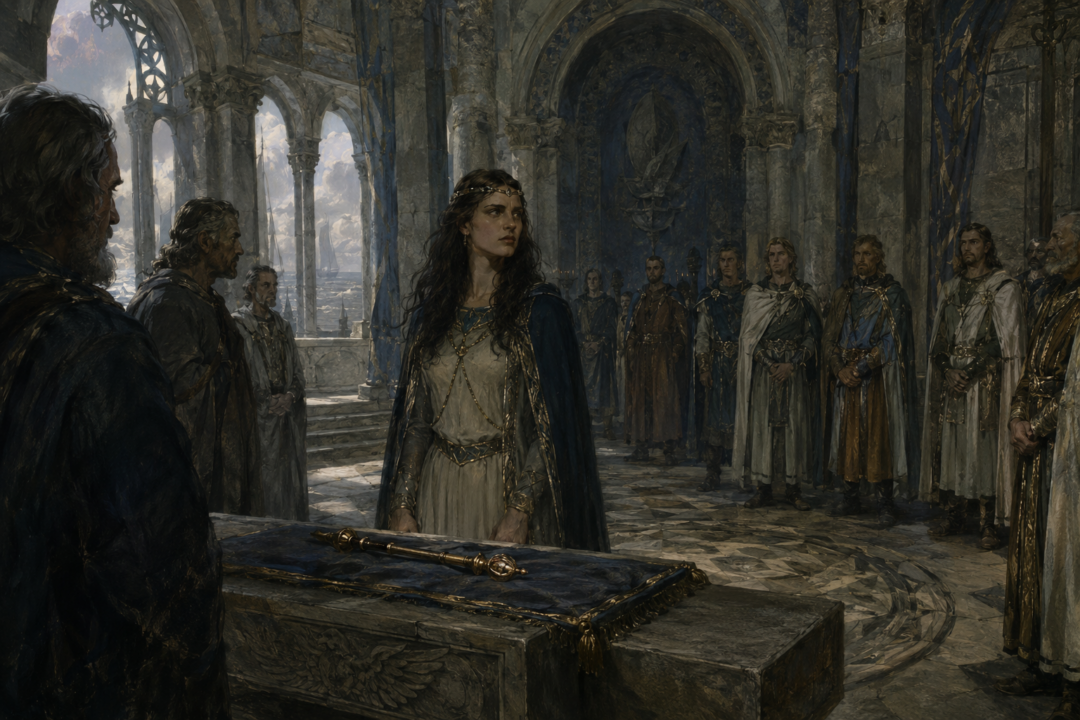
Noldorin parents in Tirion during the Years of the Trees contemplating their newly named child

To most readers of Middle-earth, a name seems simple. Fëanor is Fëanor. Galadriel is Galadriel. Maedhros is Maedhros. But among the Noldor of Aman, identity could be expressed through several names at once. A father might name a child according to ancestry and family continuity. A mother might give another name shaped by insight into … Read more

How the Reunited Kingdom governed Arnor before northern cities were rebuilt

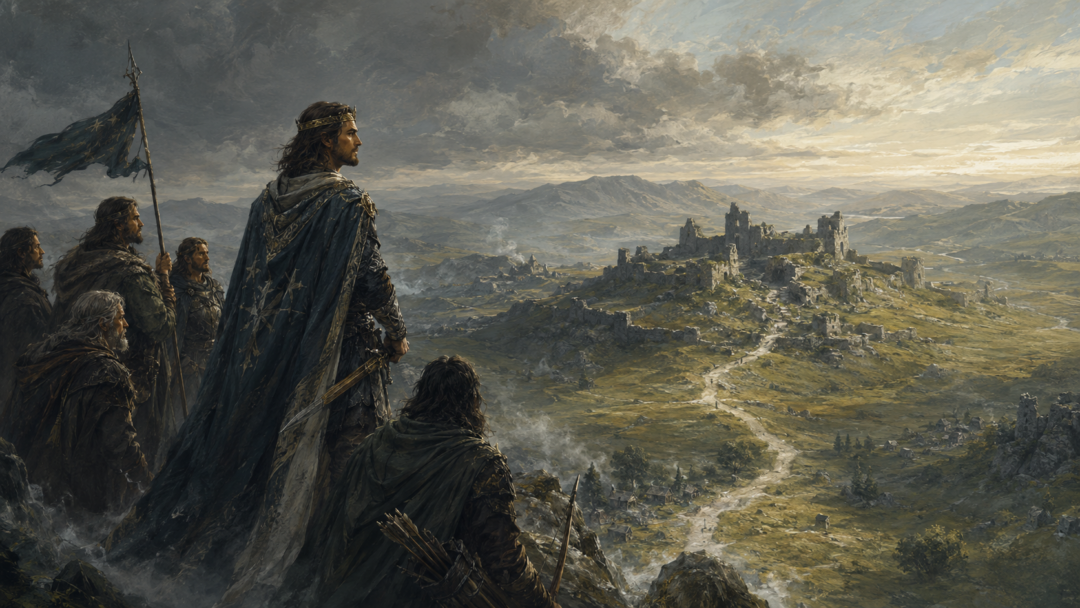
King Elessar and northern Dúnedain overlooking the still-ruined city of Fornost in early Fourth Age Arnor.

When Aragorn was crowned King Elessar, he did not inherit two functioning kingdoms. Gondor still had Minas Tirith, provincial lords, armies, roads, a Steward, and an established machinery of government. Arnor had almost none of that. Its ancient capitals were ruins. Its royal line had survived only through the Chieftains of the Dúnedain. Much of … Read more