What the Citadel Livery Changes About Pippin’s Freedom in Minas Tirith
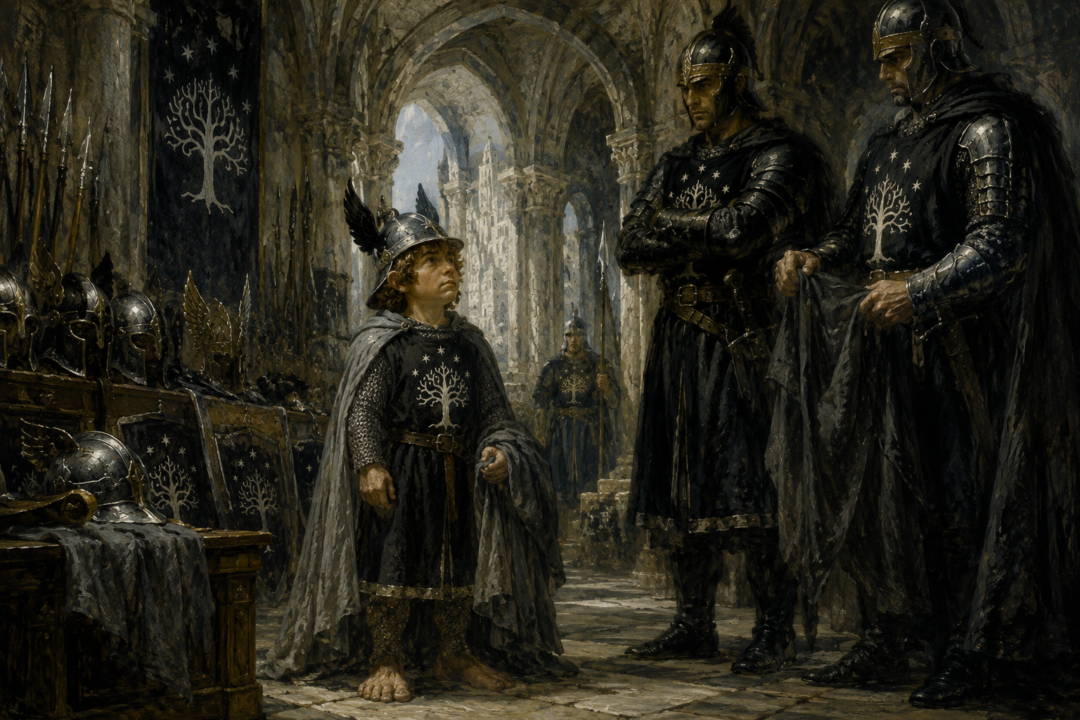
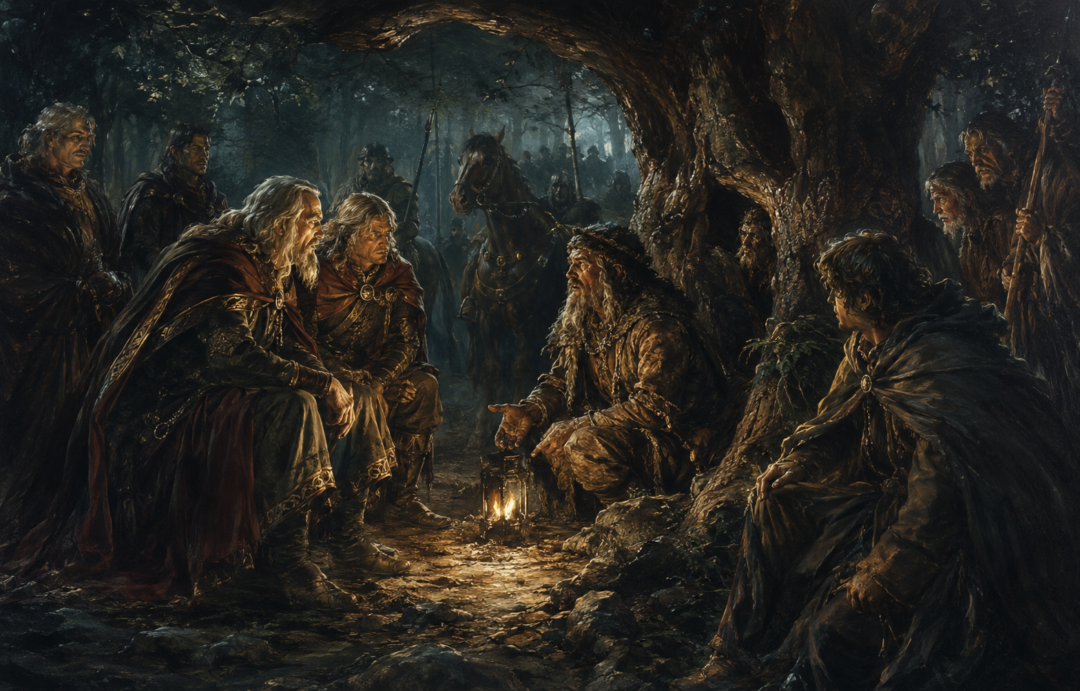
Pippin newly dressed in the black and silver livery of the Guard of the Citadel in Minas Tirith.

When Peregrin Took arrives in Minas Tirith, he is still recognizably the wandering hobbit who left the Shire: curious, impulsive, frequently hungry, and accustomed to travelling among companions rather than living under military discipline. Then Denethor accepts his service. Soon Pippin is wearing black and silver, bearing the emblems of Gondor, learning passwords from a … Read more
How Bilbo’s contract mixes comic narration with binding economic stakes

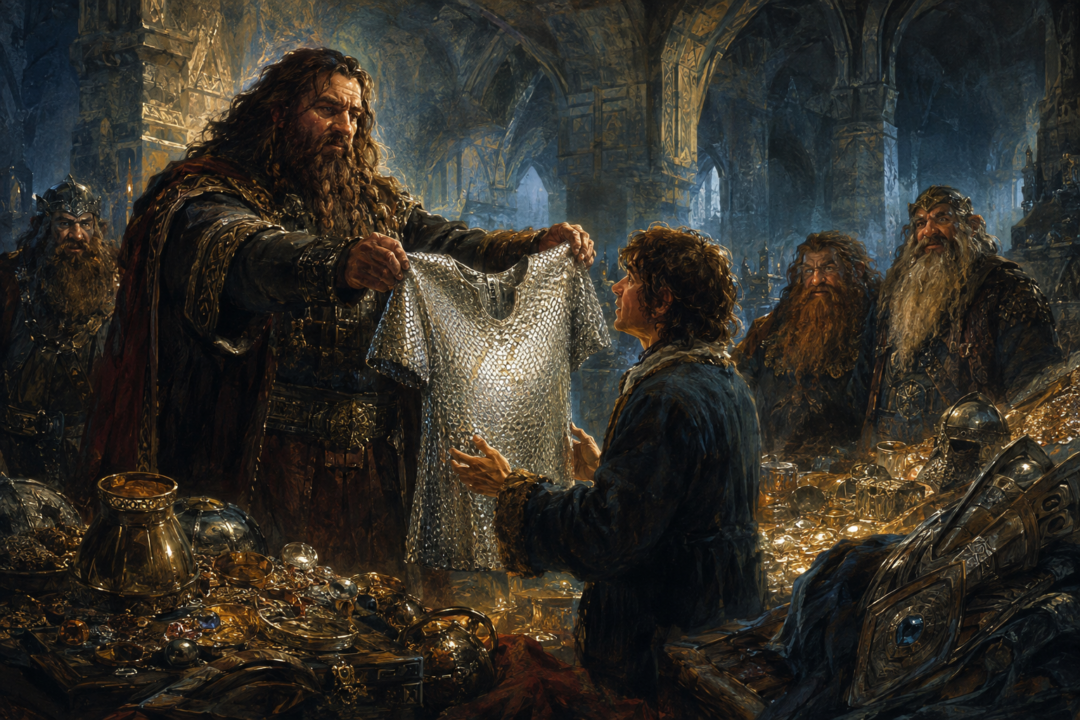
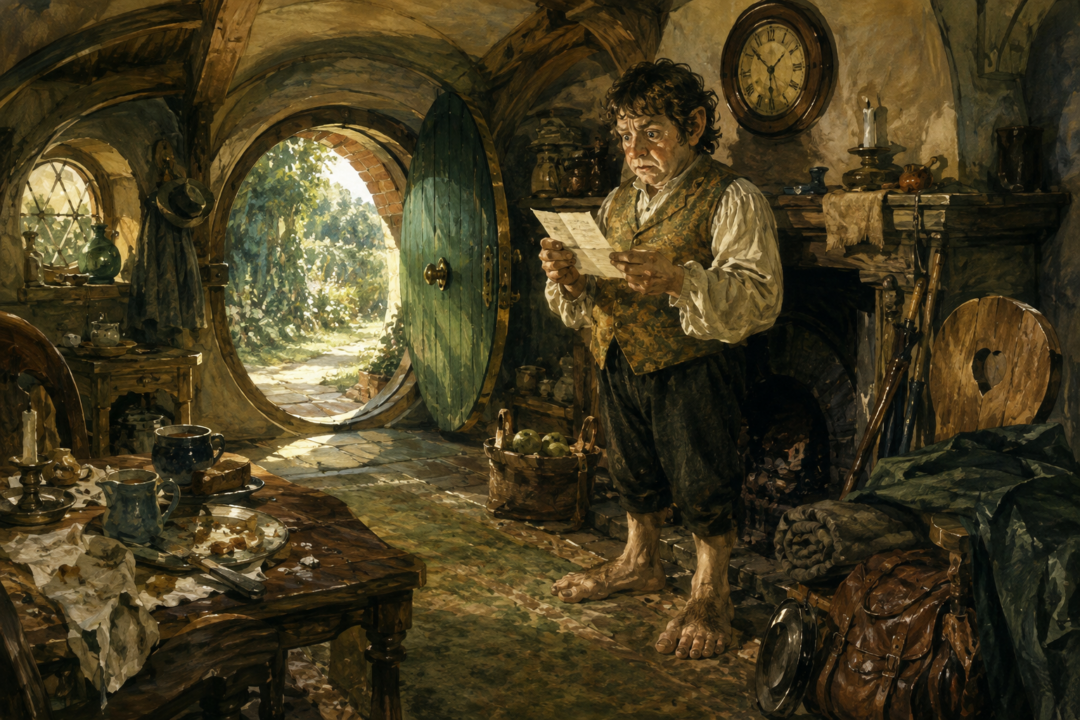
Bilbo Baggins reading Thorin and Company's letter beside the mantelpiece in Bag End

Bilbo Baggins begins The Hobbit worrying about cakes, handkerchiefs, washing-up, and what thirteen unexpected guests are doing to his pantry. By the following morning, those same visitors have transformed him into something much stranger: a professional burglar with a profit share and provision for his funeral. The document responsible is wonderfully small. In the book, … Read more

The Shire imported goods despite its reputation for isolation

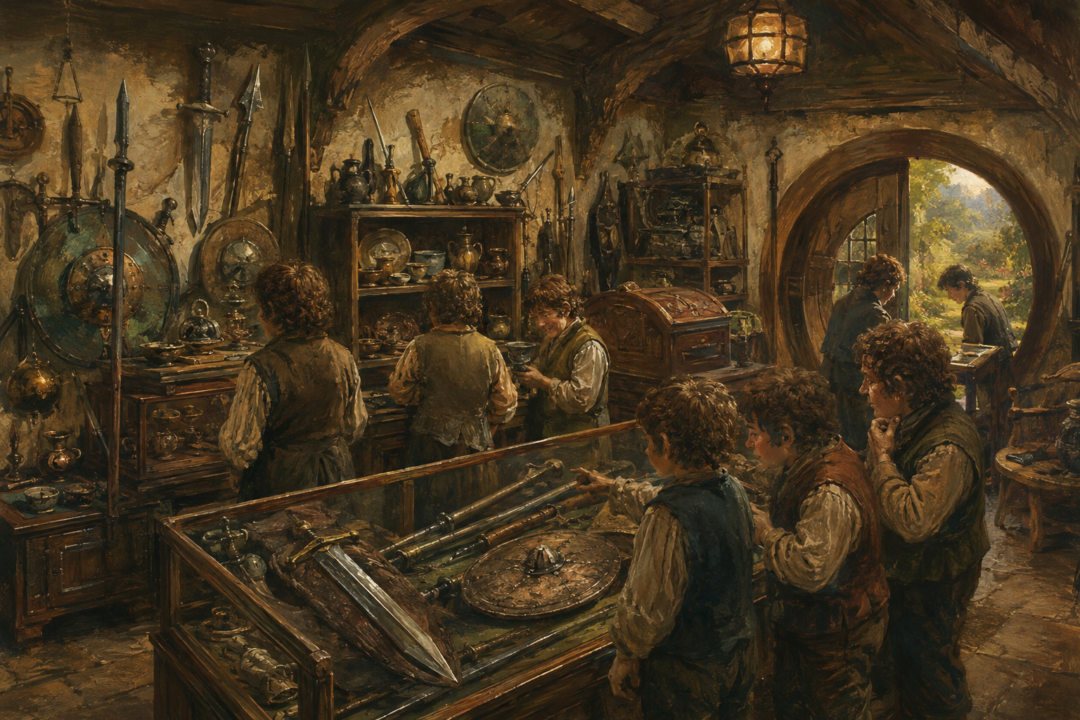
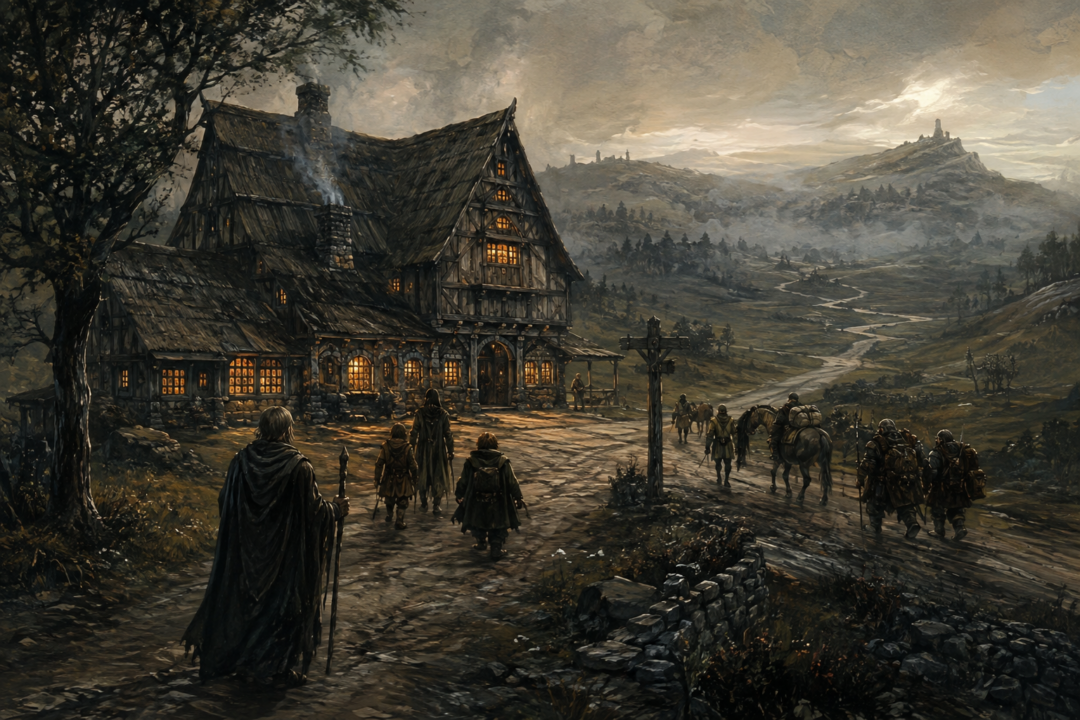
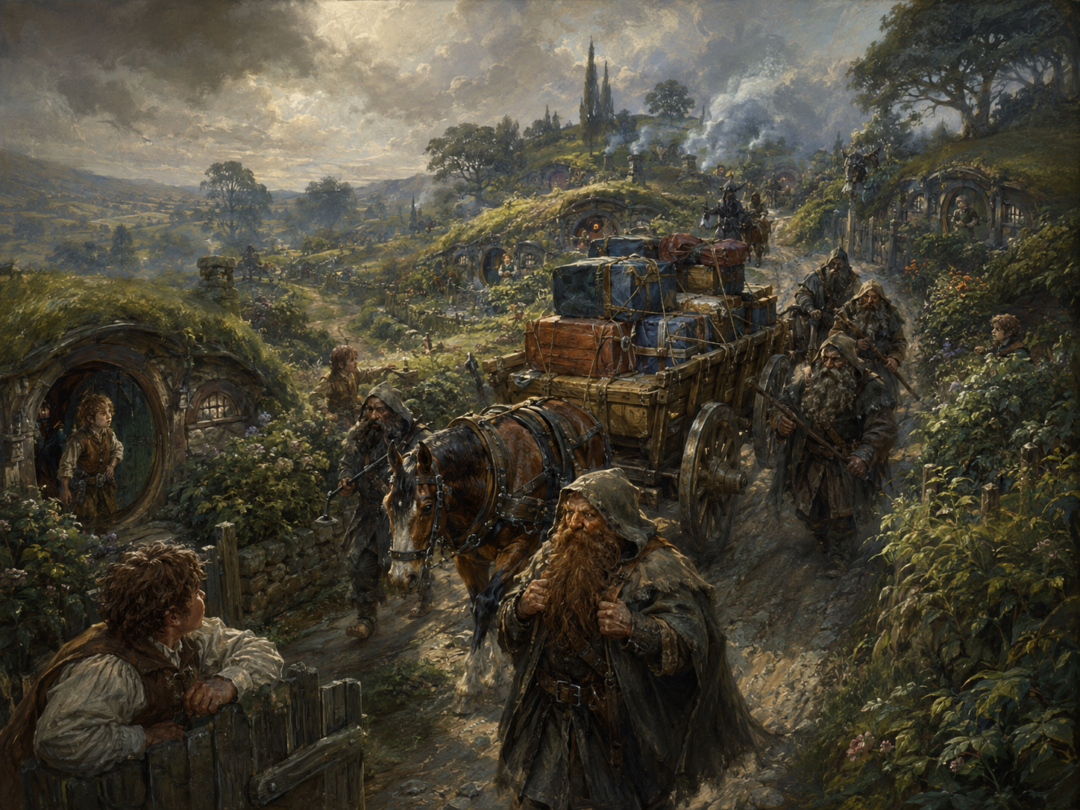
Dwarves bringing a wagon of foreign packages into Hobbiton before Bilbo Baggins's birthday party.

The Shire feels like the last place in Middle-earth that should need imports. Its fields are fertile. Its orchards, mills, farms, inns, breweries, gardens, and kitchens suggest a society capable of supplying most of what hobbits actually care about. The wider world barely enters ordinary conversation except as rumor. Foreigners are treated with suspicion, distant … Read more

How timber access constrained every major maritime power

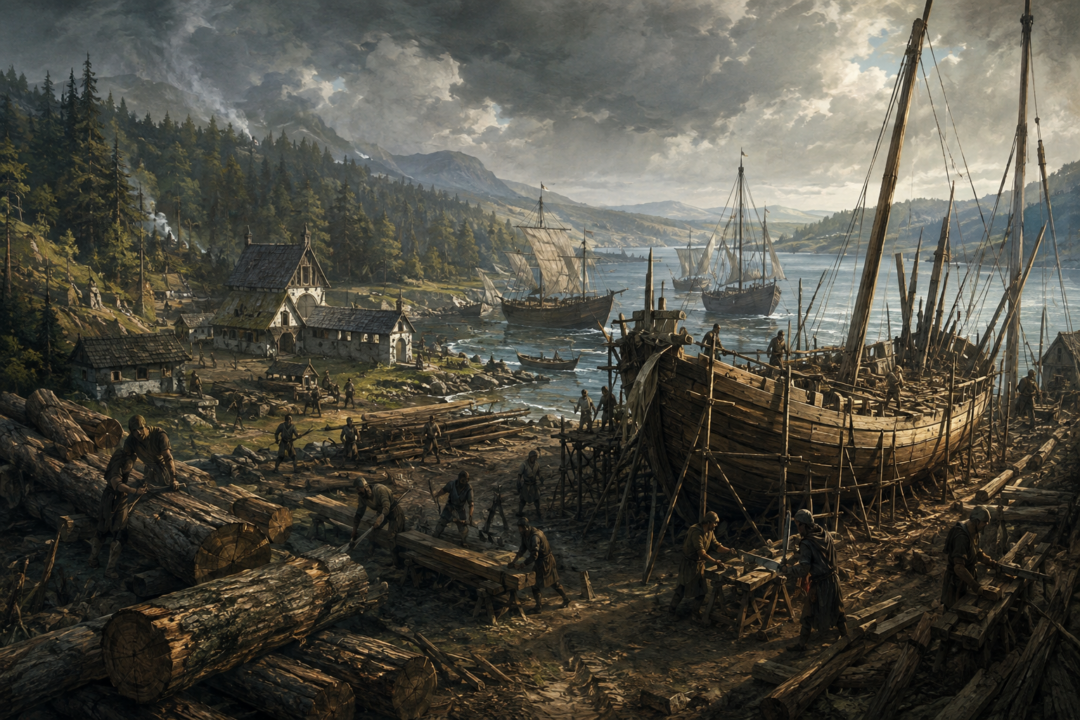
Númenórean shipbuilders at Vinyalondë constructing a vessel as timber arrives down the Gwathló from the forests of Middle-earth.

The Hidden Resource Behind Middle-earth’s Sea Power: Why Great Fleets Began With Forests When Aldarion looked toward the Sea, he saw distance, discovery, and the growing importance of Númenor beyond its island shores. Yet the ships that carried that ambition depended on something far less romantic: trees. That dependence becomes one of the most revealing … Read more

The millennial deficit explains Gondor’s rare calendar revisions

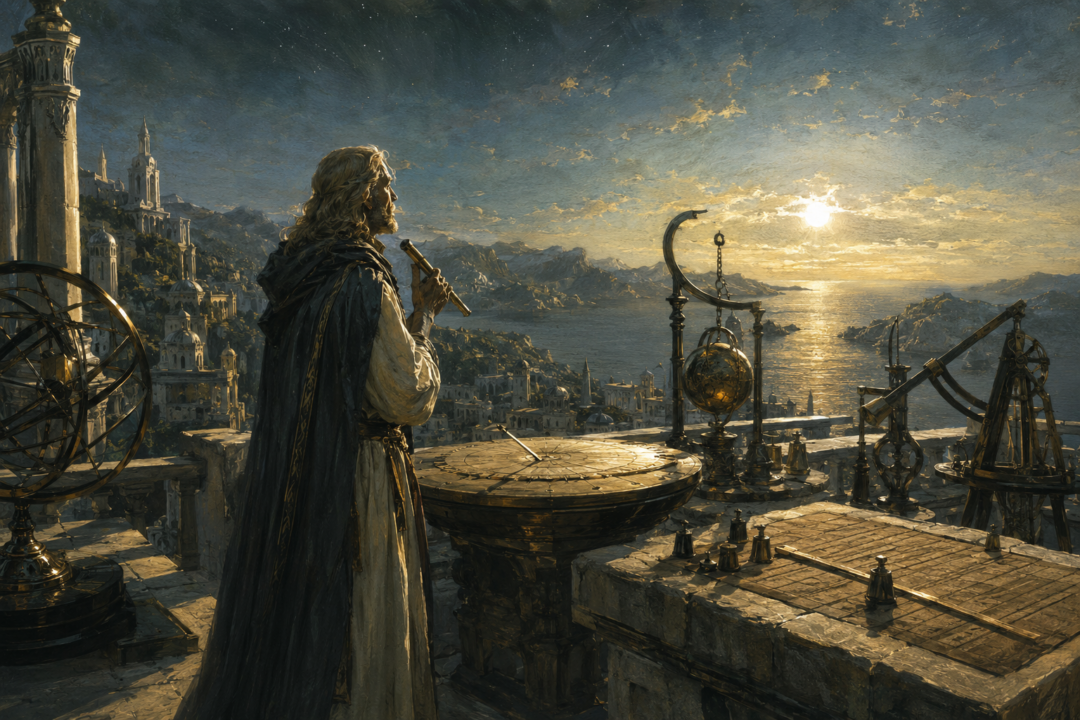
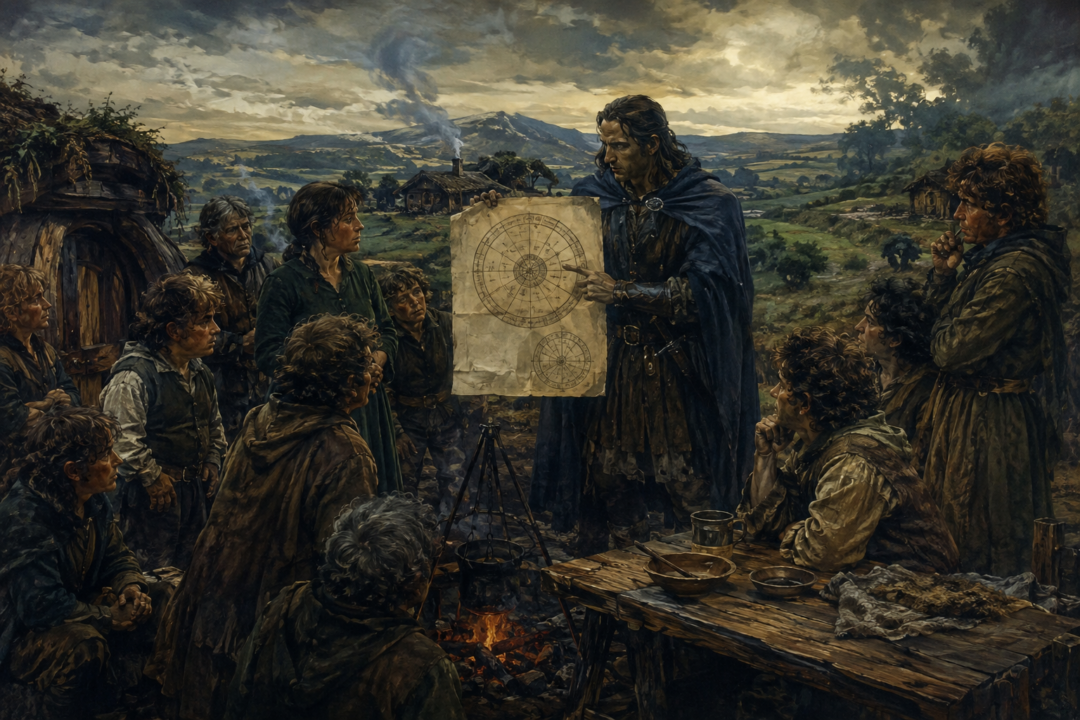
Númenórean astronomer observing the heavens while developing the ancient King's Reckoning calendar

Gondor could preserve a tower, a tomb, or a royal tradition for thousands of years. Its calendar was treated with much the same conservatism. That makes one detail in the history of the Dúnedain surprisingly revealing: their calendar occasionally needed extraordinary corrections. Not because Gondor casually redesigned the year, but because a tiny astronomical error … Read more